Dubai Customs Clearance for Aircraft Parts: Key Insights 
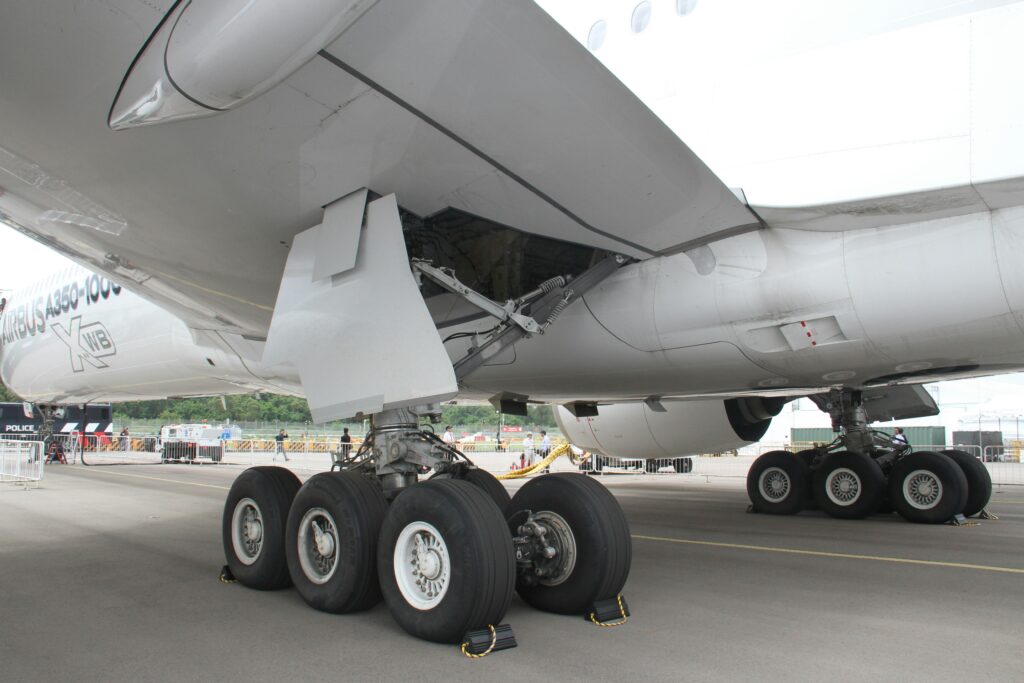
Air Craft Parts AOG customs broker clearance agent Dubai
Air Craft Parts AOG customs broker clearance agent Dubai, UAE

Key Highlights

Introduction

Dubai Customs is very important for smooth international trade. It helps with the import and export of goods, including specialized items like aircraft parts. For businesses in the aviation industry, it is essential to know the details of Dubai Customs procedures, especially for aircraft parts. This blog offers useful tips on how to handle Dubai Customs clearance for aircraft parts. It aims to make the process easy and efficient for everyone involved.

Understanding Dubai Customs for Aircraft Parts

Dubai Customs is well-known for being efficient. However, dealing with aircraft parts can be tricky. This is due to strict safety rules and high security in the aviation field. Aircraft components are valuable and sensitive, which adds to the complexity.

Importers need to be very careful when classifying their goods. They should use the Harmonized System (HS) codes accurately. These codes set the duty rates and are important for avoiding delays in the clearance process.

The Importance of Customs Clearance in Aviation Logistics

In the complex world of aviation logistics, customs clearance is very important for AOG shipments. It allows aircraft parts to enter a country in a legal way. Fast customs procedures help ensure that key components arrive on time. This is crucial for keeping aircraft maintenance on schedule.

Customs authorities have an important job. They check shipments, verify documentation, and make sure everything meets safety and security rules. Their careful work keeps the aviation industry secure and reliable.

For businesses that import or export aircraft parts, knowing customs procedures is a must. This knowledge helps keep the supply chain running smoothly. It lowers the chances of delays or fines and boosts the efficiency of the entire aviation area.

Key Regulations for Aircraft Parts Import in Dubai

Dubai Customs has clear rules to make international trade easier, especially for aircraft parts. A key rule is that every aircraft part needs important documents, such as commercial invoices, packing lists, certificates of origin, and air waybills.

Some aircraft parts can be classified as dangerous goods because they can be hazardous. These items need special care, packaging, and labeling following international rules. Importers must know these extra safety requirements and get the right permits and approvals to follow the law.

It's also important to know the specific HS codes for aircraft parts to understand the tariffs. This correct classification helps reduce the chances of delays and makes the clearance process smoother at Dubai Customs.

Preparing for Customs Clearance

Efficient customs clearance starts well before the aircraft parts reach Dubai Customs. It needs careful planning. This includes choosing the right shipping partner, making sure all necessary documents are ready, and understanding the rules for importing aircraft parts.

Working with a customs broker early on can really help. They can spot possible problems and make the customs clearance process go smoothly. A customs broker offers expert help with paperwork, tariff categories, and any special needs for importing aircraft parts.

Essential Documents for Aircraft Parts Clearance

Accurate and complete customs documentation is essential for clearing aircraft parts smoothly. One important document is the commercial invoice. It gives a clear description of the goods, their total value,, and the terms of sale. This invoice should match other shipping records.

The packing list is also crucial. It details the contents of each package in the shipment. This includes weight, dimensions, and the number of items. Having this information helps customs authorities inspect and verify the shipment more effectively.

In addition to these documents, a certificate of origin may be needed. It helps in identifying where the goods come from for tariff purposes. This certificate confirms the country of origin where the aircraft parts were made. This allows customs authorities to apply any special tariffs that may apply due to trade agreements.

Steps to Ensure Smooth Customs Processing

Successfully going through the customs clearance process for aircraft parts requires a careful plan and a focus on following the rules. Working closely with customs authorities, being clear in your declarations, and making sure all documents are correct is essential. This can help you avoid delays or issues.

Here are key steps to make the process easier:

By carefully following these steps, importers can greatly lower the chances of delays, penalties, or problems during the customs clearance process. This leads to a smoother and better supply chain.

Navigating Through Customs Duties and Taxes

Customs duties on aircraft parts are calculated using the CIF (Cost, Freight, and Insurance) value. It is important to know the duty rates for different kinds of aircraft parts, as they can change a lot. Some items may not have duties at all, while others could have lower rates thanks to trade agreements.

Besides customs duties and AED-related fees, importers must pay a 5% Value Added Tax (VAT) on most goods and export goods coming into Dubai. You should consider both duties and taxes when planning your budget for importing aircraft parts. This will help you get an accurate idea of costs and avoid unexpected expenses.

Overview of Customs Tariffs on Aircraft Parts

The United Arab Emirates implements a unified customs tariff system, as mandated by the Gulf Cooperation Council (GCC). The customs department determines customs tariffs on aircraft parts based on their classification under the internationally recognized Harmonized System (HS) nomenclature. These codes provide a standardized method for classifying traded products, ensuring uniformity in customs procedures globally.

The customs duty is generally levied as a percentage of the CIF value, which includes the cost of goods, insurance, and cost freight insurance charges up to the point of entry in Dubai. Correctly identifying the HS code for each aircraft part is essential, as even minor discrepancies can lead to incorrect duty assessments and potential delays in the clearance process.

Description of Goods

HS Code

Customs Duty Rate

Aircraft Parts (General)

8803.90

5%

Landing Gear Parts

8803.30

5%

Engine Parts

8407.90

5%

Avionics and Electrical Systems

8543.90

5%

Interior Components

8803.90

5%

Note: This table is for illustrative purposes only. Duty rates are subject to change. It's essential to consult with Dubai Customs or a customs broker for the most up-to-date information.

Strategies for Minimizing Customs Duties

Customs duties are a regular part of international trade. Importers can use certain strategies to lower their duty costs legally. One helpful method is knowing how customs valuation works. The CIF value helps determine customs duties. This value doesn’t just include the price on the invoice. It also considers freight, insurance, and other costs until the goods arrive in Dubai.

By looking for better freight and insurance options, importers can decrease their customs fees. This can lower the CIF value too. It is also important to stay updated on any changes in the customs tariff schedule since duty rates for specific aircraft parts may change from time to time.

Working with a customs broker who knows about importing aircraft parts can be very useful. They can share information about possible exemptions, lower duty rates from free trade agreements, or temporary import rules that might apply.

Special Considerations for Aircraft Parts Clearance

Aircraft parts usually need careful handling and special attention. Some parts, like batteries, chemicals, or pressurized containers, are considered dangerous goods. They must follow strict international air transport rules. Importers must know the rules about packing, labeling, and documentation.

Temporary importation rules can help when you bring in aircraft parts for repair, maintenance, or exhibitions. These rules often let you bring them in without paying duties for a set time, as long as certain conditions are followed.

Handling Sensitive and Hazardous Aircraft Components

Aircraft parts often contain sensitive and dangerous materials. Because of this, they need extra care during the customs clearance procedure. Dangerous goods like batteries, chemicals, and compressed gases follow strict rules from the International Air Transport Association (IATA). It is very important to follow these rules to make sure these items are transported safely.

Importers who work with dangerous goods must follow special requirements for packaging, labeling, and documentation. This may include getting permits or approvals from relevant authorities, such as the Dubai Civil Aviation Authority (DCAA) or the Ministry of Health, before shipping. Keep in mind that even small mistakes can cause shipment delays or lead to penalties.

That’s why it’s helpful to talk to a hazardous materials expert or an experienced customs broker who knows about dangerous goods. They can give advice on classification, packaging, documentation, and obtaining permits. This helps to ensure compliance and makes the customs clearance of sensitive aircraft parts quicker and safer.

Temporary Imports for Repairs and Maintenance

Dubai is a major center for aviation. This means there needs to be a simple way to maintain and repair aircraft. In line with this, the UAE's customs regulations allow for the temporary import of aircraft parts meant for maintenance. These temporary imports usually come in duty-free.

To make use of these rules, importers have to follow a few important steps. First, they need to get an ATA Carnet. This document works like a passport for goods, making it easier for temporary entry. The Dubai Chamber of Commerce and Industry provides ATA Carnets.

Additionally, importers must give a detailed list of the aircraft parts they are temporarily bringing in. This list should explain how these parts will be used for repairs or maintenance. Importers are also required to provide a guarantee for potential duties, often done through a bank guarantee or a deposit. This amount can be refunded when the parts are exported again.

Leveraging Technology for Efficient Customs Clearance

In today's world, technology changes everything. It makes processes easier in many areas. Dubai Customs has taken this step by using new digital systems. This helps make customs clearance quicker and simpler.

The Role of Digital Documentation and E-Clearance

The move to digital documentation and e-clearance systems has changed customs procedures a lot. This offers big benefits compared to old paper processes. Dubai Customs is leading this change by creating advanced online platforms for smooth customs transactions. Freight forwarders and customs brokers can send customs declarations, upload needed documents, and pay duties online. This cuts down on the time and work needed for physical paperwork.

Switching to digital documents makes things faster and also improves security and transparency. Electronic records have fewer mistakes and are less likely to be lost. They are also easy to check, which builds trust in the customs clearance process.

Moreover, Dubai Customs gives all-day, all-night access to its online portals. This lets stakeholders track shipments in real-time, get status updates, and solve any problems that come up. This better visibility helps businesses manage their supply chains effectively and make sure that critical aircraft parts arrive on time.

How Automation Can Streamline the Clearance Process

Automation is changing customs clearance services, especially in busy areas like aviation logistics. Dubai Customs is using automated systems to speed up the clearance process. These new tools include checking documents automatically, scanning cargo, and risk assessment tools. These all improve efficiency and security.

By automating repetitive jobs, customs authorities can cut down processing time. This means faster clearance for aerospace aircraft parts while still following the rules. This smoother process helps businesses improve their supply chains, lower storage costs, and get important aircraft parts on time.

Also, automation helps reduce mistakes that people might make. This means more accurate duty assessments and fewer customs disputes. Using technology helps not just importers but also makes Dubai's aviation sector safer and more efficient.

Selecting the Right Customs Broker

Choosing the right customs broker is very important for managing Dubai Customs rules. A skilled and experienced broker who focuses on aircraft parts can help make the clearance process easier. They know a lot about HS codes, customs procedures, and the special documents needed for aviation.

Working with the right broker can help overcome challenges, cut down delays, and make sure everything follows the rules. This support is key for any business that imports aircraft parts.

Criteria for Choosing a Customs Broker in Dubai

Choosing the right customs broker is very important for businesses that trade internationally. A good broker supports your team by making sure that your shipments pass through customs smoothly and legally.

When picking a customs broker in Dubai, focus on those who have a successful history with aircraft parts. They should understand the customs regulations, documentation needed, and any special requirements for aviation items. Experience with dangerous goods or temporary imports for aircraft parts is a plus.

Also, choose a broker who values compliance, honesty, and good business practices. Make sure to check their licensing and registration with Dubai Customs to confirm they can operate legally.

The Benefits of Partnering with Experienced Brokers

Understanding the customs clearance for specialized items, like aircraft parts, can be very tough. Working with an experienced customs brokerage can greatly simplify this process. These brokers know air freight rules and help your valuable items get through customs smoothly.

Skilled customs brokers have a deep understanding of Dubai Customs rules and processes. They are good at classifying goods with HS codes, preparing and submitting correct customs forms, and keeping up with changing rules. This helps avoid delays, fines, or issues during the customs clearance process.

Aside from following rules, experienced brokers build strong connections with customs officials and other important people. These useful relationships help speed up clearances, get needed approvals, and solve unexpected problems quickly.

Common Challenges and Solutions

Dubai Customs is known for being efficient, but problems can still happen. These problems might include delays caused by missing documents, wrong classification of items, or surprise inspections. It is important to prepare plans for dealing with these common issues.

Working with an experienced customs broker can help reduce these risks. They can assist with correct documentation and improve communication. Their knowledge can help tackle challenges early, leading to a smoother customs clearance process.

Addressing Delays in Customs Clearance

Delays in customs clearance can really slow down the delivery of shipments. This is especially true in areas like aviation where timing is important. These delays can happen due to issues like missing paperwork or unexpected customs checks that need more permits or approvals.

When you face delays, it’s important to act quickly and with good information. Talk to your customs broker or freight forwarder right away to find out why there is a delay. Check all your paperwork carefully for mistakes or missing parts and fix them as soon as you can. If the delay is because of customs checks or requests for more information, send the needed details quickly to help speed things up.

It's also vital to keep updated on any changes in Dubai Customs rules or processes. This can help you manage your plans and cut down on delays. Regularly visit the Dubai Customs website or sign up for industry newsletters to learn about new policies or requirements.

Managing Costs and Compliance Issues

Managing costs well is important for businesses in international trade. It is also crucial to follow customs regulations. Customs duties, taxes, and possible penalties can greatly affect how well a business does financially when trading globally.

Putting strong internal controls in place is necessary to avoid problems with compliance. Keeping precise records of all import-export transactions, such as invoices, packing lists, certificates of origin, and payment records, is a must. Regular audits of these records help to make sure everything is correct and complete. This reduces the chance of facing fines or delays caused by any mistakes.

Hiring a trusted customs broker helps with compliance and saving costs. Customs brokers know a lot about customs regulations, tariff classifications, and possible exemptions or duty drawback options. They aid businesses in finding legal ways to cut costs. Their skills help ensure the right declarations are made and reduce the chances of extra fees or penalties.

The Role and Importance of a Customs Broker

Customs brokers are authorized helpers for importers working with customs authorities. They make international trade easier. Their knowledge of customs regulations, tariffs, and documentation is important. It helps to avoid delays and penalties during the clearance of goods.

When businesses import aircraft parts, a customs broker's expertise is essential. They know about HS codes for aviation items and have information on special permits for dangerous goods. They also understand temporary import rules. This knowledge helps to speed up the clearance process. Moreover, brokers ensure compliance with regulations and improve communication with customs authorities. This allows businesses to concentrate on what they do best.

Compliance with Customs Regulations and Laws

Compliance with customs rules and laws is very important for businesses that trade internationally. This is especially true for highly regulated fields like aviation. Not following these rules can lead to delays in shipments, fines, legal issues, and a damaged company reputation. It is crucial to understand and follow Dubai Customs policies and procedures to keep operations running smoothly.

Keeping good records is key to showing regulatory compliance. You need to keep accurate records of all your import-export transactions. This includes commercial invoices, packing lists, certificates of origin, and customs declarations, which are important for audits and inspections. It is a good idea to develop a strong compliance program. This program should train employees involved in import-export on the most current customs rules, the right documentation, and ethical trading practices.

Documentation and Procedures for Import/Export Clearance

The import and export clearance process has important steps and paperwork related to foreign trade. Following these steps is crucial for your goods to move smoothly across borders. If there are any mistakes or missing papers, it can cause expensive delays, fines, or even lost shipments.

Some key documents needed for import/export clearance are a commercial invoice that shows the value, description, and terms of sale for the goods. A packing list is also required. It contains details of each shipment, like weight, size, and amount. This information helps with customs and logistics. Certificates of origin are important because they prove where the goods are made. This legal authorization can affect tariffs and trade deals. Depending on what you are trading, you might also need other papers, like import licenses, permits for restricted items, or inspection certificates.

Understanding and Applying for Temporary Admission Procedures

Dubai is a major center for air travel. This means that there needs to be good ways to manage aircraft parts that come in for maintenance, repairs, or shows. Using temporary admission procedures lets businesses bring in these items without paying normal customs duties, as long as they follow certain rules. This helps to keep costs down and makes sure that important parts are available when needed.

To apply for temporary admission, you often need to get an ATA Carnet, known as the "passport for goods." This document makes the customs clearance process easier in many countries, allowing for the quick import and export of items. Importers must also provide a clear description and purpose for bringing in the goods, along with proper documentation. Depending on how much the goods are worth, a security deposit may be needed, which you can get back when the items are exported again.

Strategies to Minimize Customs Duties and Optimize Clearance Processes

Navigating international trade can help businesses save money and improve how they operate. To lower customs duties, it's important to understand tariffs, possible exemptions, and how customs valuation works. Companies need to accurately classify their goods using HS codes, or they may face higher duties. Looking into free trade agreements and using duty drawback programs can also help cut costs.

Besides lowering duties, improving the customs clearance process means organizing documents and bettering communication. Using digital tools like the Dubai  Portal allows for real-time tracking, online submissions, and fewer manual errors. Working with an experienced customs broker who knows how to manage aircraft parts can make this process simpler and help keep operations cost-effective and compliant.

Guidelines for Transporting Restricted and Prohibited Items

Transporting goods across international borders requires a clear understanding of the import rules in each country. This is very important when shipping items that are restricted or banned. These rules help protect national security, public health, and culture. Not following these rules can result in serious penalties, like losing your shipment, paying fines, or facing legal issues.

Before you send any goods, especially aircraft parts, make sure to do thorough research. Check if there are any restrictions or bans. Keep in touch with your customs broker or freight forwarder. Give them correct and detailed information about what you are shipping. Using a certified service for declaring dangerous goods is also very helpful. It makes sure you comply with the rules when you transport hazardous materials.

Utilizing Free Zones for Business Advantage

The UAE has set up many free zones to attract foreign investment and help the economy grow. These zones give businesses special benefits like no taxes, full foreign ownership, and easier customs procedures. Companies trading aircraft parts can use these zones to create a center in the region, enjoying the advantage of duty-free import and storage of their goods.

Besides tax benefits, free zones have great facilities, easy company registration, and access to skilled workers. The Dubai Airport Free Zone (DAFZA) and Jebel Ali Free Zone (JAFZA) are great examples. They are near major transport routes, which helps with international trade. Businesses can use these zones to reach regional markets while enjoying a supportive business environment.

Conclusion

In conclusion, understanding how Dubai customs clearance works for aircraft parts is very important for a smooth process. Following the rules, having the right paperwork, and using technology are key for quick clearance. Working with skilled customs brokers can make things easier and reduce delays. By following the tips and steps given, businesses can handle customs duties, tariffs, and other challenges well. Stay updated, make sure you follow the rules, and use free zones to improve your business in aircraft parts logistics. For answers to common questions or more help, talk to our experts today.


Frequently Asked Questions

What are the most common issues faced during customs clearance of aircraft parts?

Common problems when clearing aircraft parts in Dubai are wrong HS code classification, missing or incomplete paperwork, and delays. These delays can happen because the goods are specialized and may need extra inspections or approvals. Following Dubai Customs procedures and getting your paperwork right in advance can help reduce these issues.

Can I clear aircraft parts through customs without a broker?

Self-clearance can be done, but it's usually not a good idea for importers who do not know much about Dubai Customs rules. A licensed customs broker has the skills needed to deal with customs procedures and documentation. This makes the process easier and lowers the chances of any problems.

What are the penalties for non-compliance with Dubai’s customs regulations?

Penalties for not following Dubai Customs rules can include fines, delays in shipments, and removal of goods. In some cases, it can even lead to legal trouble. It is very important to know and follow all the rules to prevent these issues.

How long does the customs clearance process take for aircraft parts?

The time it takes for the customs clearance process of aircraft parts in Dubai can change based on different factors. These factors include how complicated the shipment is, how accurate the documentation is, and whether inspections are needed. Generally, this process can take a few hours or a few days.

Are there any specific customs exemptions for aircraft parts?

Yes. Aircraft parts brought into Dubai’s free zones for activities such as maintenance, repair, or re-export usually qualify for customs duty exemptions. Some parts for national airlines or government projects might also be eligible for these exemptions.

What documents are required for customs clearance in Dubai?

The essential documents needed for customs clearance in Dubai are the commercial invoice, packing list, certificate of origin, and bill of lading or airway bill. Depending on the type of goods, you might also need extra documents. These could include insurance, import licenses, or special approvals.

What is not allowed in Dubai customs?

Dubai Customs does not allow the import of certain items. This includes drugs, guns, fake goods, and items that are not culturally acceptable. It is important to know what you cannot bring into Dubai. You can check the list of banned items on the Dubai Customs website. You can also talk to your customs broker for help to avoid any problems.

What needs to be declared at Dubai customs?

Travelers coming to Dubai need to declare items that are subject to duties. This includes tobacco, alcoholic beverages, and goods that go over the duty-free limit. If you carry a lot of cash or personal items worth more than a set amount, you also have to declare these at customs when you arrive.

Email: info@interlinkgulf.com
Call: +971557910800

https://interlinkgulf.com/dubai-customs-clearance-for-aircraft-parts-aog/ #CustomsBrokerinDubai #CustomsClearance #DubaisAirFreightIndustry #DubaisAirFreightIndustry #UAEaerospaceimportguidelines #UAEAirFreightIndustry https://interlinkgulf.com
Customs Clearance and Transit of Goods: Dubai-Russia Insights

Key Highlights

Introduction

The customs clearance and transit of goods between Dubai and Russia can be tricky. At the same time, the process offers many good chances for people who do international shipping. Trade between the two places is going up. So, it is important to understand customs regulations well. This helps you stay in line with the rules and keeps everything running smoothly. Things like packing lists and the right paperwork matter a lot. You must also think about risk, so having cargo insurance is smart. Simple and clear steps can make global trade smoother for us all. Use these tips to make the most of Dubai’s strategic location and strong setup. This way, your company can meet its shipping goals in less time and with less trouble.

Overview of Dubai-Russia Trade Relations

Dubai and Russia have a busy trading bond that shows how connected their economic interests are. The UAE uses its good strategic location and strong infrastructure to help Russian importers get many global goods. At the same time, Russia helps Dubai send more types of goods out to the world. This helps both sides in the global trade market.

Goods traded between them include electronics and heavy equipment. This shows the range and size of what they trade. To move these goods, they need easy customs regulations and simple ways to make these rules work.

Growth Trends in Bilateral Trade

The trade between Dubai and Russia has changed a lot over the years. This shows just how important they are in global trade. In the past few years, the trade between the two countries has kept growing. Dubai is known for being a transit hub, and Russia’s need for many kinds of goods helps drive this growth.

Dubai sends out many high-value products to Russia. These include electronics, textiles, and cars. Russia buys these to sell in their markets. At the same time, Russia sends raw materials, like metals, to Dubai. Dubai uses these metals for local businesses or sends them to other places.

One of the main reasons this trade is going up is Dubai’s strategic location. Places like Jebel Ali Port and their strong logistics solutions help keep things moving smoothly. Good trade laws and easy customs clearance also make it better for both sides. This teamwork opens up more and more chances for people using cargo services to do business between Dubai and Russia.

Key Commodities Exchanged Between Dubai and Russia

The trade corridor between Dubai and Russia covers some main types of goods. This helps to make international shipping easy. These goods show the strong business link the two countries have:

All these goods show how Dubai is able to meet Russian needs. Dubai also makes sure all customs clearance rules are followed. This lets goods move fast and smooth through international shipping.

Understanding Customs Regulations in Dubai and Russia

Understanding customs regulations is very important when you need to move shipments from Dubai to Russia. Dubai has a strong customs system. This system helps trade go smoothly and makes sure everything follows the law. It asks for things like packing lists and certificates of origin, so you need to have all your documents ready.

Russian customs also has its own rules. There are legal requirements, like import limits and certain product certificate standards to follow. You have to know about these so you don’t get held up or cause trouble with your supply chain. If you learn about both Dubai and Russian customs, you will help cargo reach its place on time. In the end, knowing all the rules can make shipments quicker and keep everything working well.

Regulatory Authorities and Their Roles

Customs authorities in Dubai and Russia are both very important. They help make sure that international shipping is safe and follows the rules of each country.

Dubai Customs works to make trade easier for everyone. They do this by using organized paperwork and smooth processes. This helps speedy transit and clearance of goods, whether it is sea freight or air cargo. Their modern systems help things move quickly while staying within the law.

Russian Customs follows very strict rules. These include things like quotas and safety checks that every shipment must meet. They look at all goods coming into the country to make sure they pass important legal requirements. If something does not follow the rules, there will be penalties. They use entry forms and online submissions to help move cargo out of customs more simply and quickly.

When both Dubai and Russian customs authorities work together, things are easier for businesses. Freight services and customs brokers can help manage the rules and paperwork needed for safe international shipping. This not only lessens risk but also helps people and companies follow the legal requirements for sea freight and air cargo.

Recent Updates to Import-Export Laws

It is important to keep up with the new import-export laws when you ship goods between Dubai and Russia. Dubai has improved the way it handles shipments by putting more focus on e-clearance methods. This change helps make things move faster. It also means there is less paperwork for businesses, but they must still make sure everything is correct.

In Russia, there have also been changes to the rules. Now, there are stronger rules for getting certificates and new limits on some items. Safety and quality rules are also stricter now, so companies in Dubai who send things to Russia must be able to meet them.

These changes match what is happening in other parts of the world. Countries want more open and safe trading. If businesses keep up with the new rules, they can set up their shipping plans in the right way. This helps make it easy for their goods to move from one country to the other.

Preparing Goods for Export from Dubai

Getting ready the right way is the key if you want to export goods from Dubai to Russia. You need to make sure your packing lists and labels are right and go with Russian packing rules. You should also choose the best way to ship, like sea freight or air cargo, to help your goods get there on time.

To meet Dubai’s customs clearance process, you need to follow simple steps and have your papers in order. If you do what Russia’s legal requirements ask for, your goods can enter the market smoothly. This will give you peace of mind during the whole trip.

Document Checklist for Dubai Exporters

A simple and complete checklist of necessary documents helps your export go smoothly. Dubai exporters should remember these important papers:

It is very important to check that each document is correct and matches all the customs regulations of Dubai and Russian customs. If the information is not exact, your shipment can be delayed at customs clearance. To avoid problems, be sure every document, including the packing list and commercial invoice, is clear and complete before sending anything out.

Packaging and Labeling Standards for Russian Markets

Packaging and labeling are very important when you send goods to Russian markets. Exporters have to pick strong packaging materials, like pallets, to keep things safe and stop damage. For fragile items, it is good to use packaging that keeps out moisture.

Labels need to be clear and detailed. They must show the shipping address, package weight, and how to handle the goods. This helps with sea or air transport, and makes customs checks faster and easier.

Russian rules say you have to follow clear instructions to meet safety and regulatory needs. If you comply, your goods get cleared quickly and get delivered on time.

Restricted and Prohibited Goods

Understanding the rules for sending restricted and prohibited goods can be hard, especially with international shipping. Safety issues, political reasons, and money rules all play a part in what can and cannot be sent. There are some things that almost always need special permits if you want to ship them. These include hazardous materials, some personal belongings, and many perishable goods. Each country has its own customs regulations for what is allowed to come in. Russia is no different. You should follow these customs clearance rules closely during the international shipping process. This is the best way to make sure your shipment gets through quickly and easily. Doing this keeps you in line with the law, helps with the customs clearance process, and gives peace of mind to everyone involved.

Categories of Banned Items

There are many types of things that you cannot send when shipping to Russia from Dubai. This is because of rules for customs clearance. Hazardous materials like explosives and items that can catch fire are not allowed. These are banned to keep everyone safe. Counterfeit products and things that break intellectual property rules are also blocked. You cannot send personal belongings that could cause trouble in customs clearance, like weapons or illegal drugs. You need to know about these rules for customs regulations, so you do not get any penalties or potential delays during the customs clearance process. Shippers should always check for updates on banned items to make sure the logistics go well.

Special Permits and Licenses Required

Some shipments need special permits and licenses to follow customs regulations. This makes sure all types of goods also meet legal requirements. For example, hazardous materials often need special permits to keep people safe. Goods like pharmaceuticals and electronics may need extra import licenses. If you do not get these documents, your shipping process can face big delays. Working with a freight forwarder may make it quicker and easier to get these special permits. This helps avoid problems and lets the shipping process from Dubai to Russia go more smoothly. Always check what documents you need early to make sure there are no issues.

Choosing the Right Freight Forwarder

Choosing the right freight forwarder like Interlink Freight helps make international shipping go smoothly and helps with customs clearance. Look for someone who has a strong history with moving goods between Dubai and Russia. This means they will know the customs regulations and the right paperwork to use. Local skills can really improve your logistics solutions, so you follow the specific requirements in both places. Check the freight forwarder’s credentials, like how many years of experience they have and how well they treat customers. That way, you know your shipping needs will be managed with the utmost care. A good partner can help avoid potential delays and make sure your goods get there on time.

Evaluating Freight Forwarder Credentials

Checking the background of a freight forwarder is important in international shipping. First, look at their years of experience and see how much they know about customs clearance. This is very key when you ship between Dubai and Russia. Make sure they have the needed permits and the right license. Check if they are on good terms with customs authorities.

Find out how they handle different shipping requirements. See if they can ship hazardous materials or perishable goods if those are your specific needs. This shows if they are reliable. Next, look at what their customers say. Read reviews and testimonials. This helps you know if they offer comprehensive logistics solutions that fit your shipping needs and make people happy.

Benefits of Local Expertise in Dubai

Getting through customs clearance in Dubai can be tricky, but having local experts really helps. Good freight forwarders know the customs regulations well, so they can cut down on the chance of delays. They understand how things work at Jebel Ali port and know other big shipping routes too. This helps for the different types of goods that people want to ship. They also handle all the needed paperwork, such as bills of lading and commercial invoices, to make sure everything meets legal requirements. Using their local knowledge makes the shipping process smoother, improves customer satisfaction, and gives peace of mind when dealing with international trade.

Shipping Routes and Modes of Transport

A wide variety of shipping routes and ways to move goods help get products from Dubai to Russia. The strategic location of Jebel Ali Port makes sea freight a good choice, as it gives easy and fast access for international shipping. When businesses need to move goods quickly, air freight and air cargo from top airlines can be an ideal option. Knowing about the different logistics solutions is important to lower costs and meet shipping requirements in the best way. Choosing the right method helps businesses handle customs regulations and make their whole supply chain and freight services work better.

Major Sea Freight Corridors

Several big sea freight routes connect Dubai to different Russian ports. These routes help move cargo fast. One main route goes through the Arabian Gulf and uses Jebel Ali Port. This way, businesses can send things to main places like Saint Petersburg and Novorossiysk. There is also the Caspian Sea route. This path makes it easy to send many types of goods, like heavy equipment and food that can spoil.

These important sea freight corridors have strong freight services. They help make shipping faster and cheaper. Shipping service companies trust these routes. They can move cargo while following customs regulations, so their clients get good service.

Air Freight Options and Leading Airlines

There are many air freight choices to move goods quickly from Dubai to Russia. Major airlines like Emirates SkyCargo and Qatar Airways offer air cargo services that work well for urgent shipments and larger loads. Using these major airlines can help make the customs clearance process faster and easier. This helps your goods follow the rules and makes customer satisfaction higher.

These cargo services often give you special options, like temperature-controlled plans for things that can spoil and help with hazardous materials. When you pick the right air cargo company, you know your shipping needs will be handled with utmost care. The whole process becomes smoother, and your items move across borders without problems.

Documentation for Customs Clearance

It is important to know about the main export and import documents for easy customs clearance. Some of the key papers are the commercial invoice, packing list, and bill of lading. These show what is in your shipment. Each document is there to prove you follow customs regulations.

Choosing between digital or old-style papers can change how well you handle the shipping process. Digital systems make it quicker to find and share documents. They also help the work go faster and smoother. Traditional papers, however, give you something to hold and store. If you use both, you get the best of both worlds. This way, you can be flexible and improve the shipping process.

Essential Export and Import Documents

A range of important documents is needed to make customs clearance easier during international shipping. The commercial invoice has the details of the deal, and the packing list tells the contents of each package. There is also a bill of lading, which shows proof of shipment and ownership. For some types of goods, a certificate of origin might be needed to show where the goods come from. You may also need special permits or licenses for certain goods so you follow all customs regulations. It is good to check all documents for errors. This can help the goods pass smoothly and lower potential delays with customs authorities.

Digital vs. Paperwork: Pros and Cons

New technology has changed how we handle customs clearance. There are some good points and some not-so-good points about the paperwork because of this change. Now, digital options help make things faster the way they give us easier access to the necessary paperwork, like commercial invoices and packing lists. But, there can be potential delays if there are problems with the online systems, and that can slow everything down. On the other hand, if we use traditional paperwork, it is there as a real back-up for us, but it usually takes more time in processing and submitting those papers.

Being able to pick between these two ways means that businesses can choose what fits their shipping needs the best. By doing this, they can keep up with customs regulations and also improve their work when it comes to international shipping.

Step-by-Step Customs Clearance Process in Dubai

Navigating the customs clearance process in Dubai takes a few key steps. At first, you need to get ready by putting together all the necessary paperwork. This means you should have the bill of lading, the commercial invoice, and the packing list with you. After you do this, you will need to turn in the entry declaration to the customs authorities. They need this so they can check if your shipment is following the local rules or not.

Once you hand it in, a physical check of your cargo is likely. The customs authorities want to see if everything you said you are shipping matches what is listed on your forms. After they approve, the goods get released and you can move them forward. When you follow this step-by-step customs clearance method, you lower the risk of potential delays. It helps you move your stuff with less worry and keeps your shipping on the right track.

Pre-Clearance Preparation

Careful planning before customs clearance can help make the shipping process to Russia much easier. Start by putting together all the needed documents, such as the commercial invoice and the packing list. Be sure these show the real contents of each package. Knowing the customs regulations for both the UAE and Russia is important. This helps you avoid potential delays and keeps everything in line with the rules. Bring a good freight forwarder into the process. Their know-how can help you handle specific requirements and get any special permits you may need. With the right plan and clear information, the shipment will move more smoothly. This keeps your cargo safe and helps boost customer satisfaction.

Physical Inspection and Release Procedures

When you get to Russian customs, physical inspections are a key part of the customs clearance process. The customs authorities check the cargo closely. They want to be sure everything follows the rules. They also look at the bill of lading and the packing list. If there is a difference between the paperwork and what they find, or if they see goods that are not allowed in, there can be potential delays. When customs officials agree that everything is right, they give a release order. This means your goods can go on to the next step. Being careful to complete the necessary paperwork and making sure all items meet legal requirements can help make the customs clearance process faster. Following these steps can help make international shipping go well.

Navigating Russian Customs Clearance

Getting through Russian customs clearance can be hard. You need to know how to fill out and give in the right documents. You will have to send an entry declaration that lists all the details about your shipment. Make sure you fill it out right and send it to the customs authorities. If you do not do this, there could be potential delays. You should also learn about the rules for your types of goods, since that can help make the customs clearance process go better.

When you start, try to handle the usual problems as soon as you can. For example, learn about customs duties and make sure your shipment meets all legal requirements. If you get ready ahead of time, you can go through Russian customs more easily. This will help make your international shipping experience smoother, and give you peace of mind.

Entry Declaration and Submission

The entry declaration is an important paper in the customs clearance process. It tells the customs authorities about the goods that are coming in. In this declaration, you have to list every item, say how many there are, what they are worth, and follow all shipping rules. When you fill out and send this paperwork to Russian customs in the right way, you follow the local laws and help avoid any costly holdups while the goods are moving. Paperwork like the commercial invoice and packing list need to be done right, too. If all these documents are clear and correct, it helps customs checks go quicker. This will speed up the customs clearance and help goods get into Russia faster.

Addressing Common Delays and Challenges

Dealing with customs clearance can slow down the shipping process and create problems. Many times, there is not enough paperwork. This could mean you are missing a commercial invoice or a packing list. If these papers are left out, it takes more time for the approval to go through. Also, if there are mistakes or differences in the entry declaration, customs authorities may look at your shipment more closely. This makes the transit time even longer.

It is important to talk clearly with freight forwarders and to know customs regulations well. These steps help lower the risks in the shipping process. You must have all necessary documents ready before you send anything. Being proactive in this way improves how things run and cuts down the chance that international shipping to Russia will have expensive delays.

Customs Duties, Taxes, and Fees

Knowing about the money you need to pay for international shipping helps make customs clearance easier. It is important to see the difference between customs duties, taxes, and fees, as these can change your total shipping costs. The types of goods, their value, and their origin all matter, and customs authorities check these when the goods arrive.

To find out the right tariff, you must know the current customs regulations. You also need the necessary paperwork, like a commercial invoice and bill of lading. If you plan ahead for any customs duties or other costs, the shipping process will go more smoothly. That way, you can get better logistics solutions with less trouble.

Calculating Applicable Tariffs

Figuring out the right tariffs means looking at a few things. This can be the type of goods and the HS codes they have. Every kind of cargo has to follow its own customs regulations. These rules decide how much duty you will have to pay. You also need to know if the items are personal belongings or if they are for business. This can change how the tariff gets worked out. The commercial invoice and the certificate of origin are key documents. If these are right, there is less chance of any potential delays, and it helps you follow all the rules. Getting help from freight forwarders with experience can also make things go smoother. They can help you understand shipping costs better.

Payment Methods and Deadlines

Paying for customs duties and fees is important for staying on track with deadlines in the shipping process. If you miss these payments, you may have slowdowns that are not needed. Most people use bank transfers, letters of credit, or online payment platforms. Each one offers different levels of security and can be more or less easy to use. Paying on time helps customs clearance go smoothly. It also helps build good connections with customs authorities. You need to know the payment deadlines set by customs regulations in Russia. This matters a lot if you ship perishable goods or have urgent shipments. It helps you stay on the right side of the rules and avoid extra penalties.

Risk Management and Insurance for Transit

Good risk management is very important for anyone who works in international shipping. Using strong cargo insurance options can help reduce the chance of losing money if something happens to goods during the shipping process. It is important to know the types of cargo, like perishable goods or heavy equipment, so you can pick the right cargo insurance. Looking closely at the risks for each shipment, like possible damage or theft, helps you cover every shipping need.

When you follow customs regulations carefully, your business can keep the shipping process running smoothly. This helps keep customers happy and makes your supply chain work better overall.

Types of Cargo Insurance Available

There are different cargo insurance options to fit different needs for people who ship things. All-risk insurance covers a wide range of things that might happen to the cargo. Named perils insurance covers only the risks that are listed in the policy. Total loss insurance is not used as much but covers only when the whole cargo is lost.

Because the world of global trade is so unpredictable, it is important to choose the right insurance option. This choice helps give peace of mind and protects you from losing money. Knowing about these insurance options can help you deal with the challenges that come with international shipping. If you strike the right balance, you can make sure your cargo insurance gives good protection for your shipping requirements.

Mitigating Risks During International Transit

Taking steps to handle risks during international transit means you must cover all angles to protect your valuable cargo. Using good insurance options can help keep you safe from losing money if there are any damages. Doing risk checks helps you find weak spots in the shipping routes you use.

Working with freight forwarders who know customs regulations and are good at finding new logistics solutions makes your shipment safer. It is also very important to keep talking clearly with your shipping partners and the customs authorities. This lets you deal with potential delays before they turn into bigger problems.

You and your team need to stay active in the shipping process. Make sure all needed paperwork, such as the bill of lading and commercial invoice, is right. This will help everything move well through strict customs clearance steps.

Leveraging Technology in Customs Clearance

Innovative technology has a significant role in making the customs clearance process faster and smoother. These tools help to make the shipping process clear, easy, and open for everyone. Electronic clearance systems are great at helping people follow customs regulations. They cut down on paperwork and help to keep delays to a minimum. Businesses now use online portals to send in the necessary documents, like commercial invoices and packing lists, more quickly.

Real-time shipment tracking gives people helpful updates about where their cargo is at all times. This information is very useful when trying to manage logistics solutions. When you can see updates on your shipping process, you are able to notice potential delays early. That way, companies can act quickly, and this helps everyone have peace of mind during the whole customs clearance process.

Using the latest technology is also important if you want to compete in global trade. It helps businesses to get ahead and to work with fewer problems and worries every day.

E-Clearance Systems and Online Portals

Digital platforms are changing the way customs clearance works. They make it faster to handle paperwork. E-clearance systems let people send all the necessary paperwork, like commercial invoices and packing lists, right to customs authorities in real-time. This helps to speed up the customs clearance process. It also cuts down on mistakes and helps you follow local rules.

Online portals give tracking tools that let people see where their shipment is at any time. By using these tools, businesses can have a better time with international shipping. They can make their work better and get through the customs clearance process with less trouble. This way, your logistics can become smoother and more efficient.

Real-Time Shipment Tracking Tools

Using real-time shipment tracking tools helps make the shipping process more open. These tools let businesses see where their cargo is while it moves using air freight or sea freight. They help companies get instant updates on both the location and status of shipments. This way, businesses can deal with any potential delays faster and be sure they follow customs regulations.

Real-time tracking also lets businesses talk better with everyone involved and helps improve customer service. When these tools are part of your work, they make things run more smoothly and keep the supply chain working well. In the end, businesses get peace of mind as they handle international shipping.

Building Successful Partnerships with Russian Importers

Building good partnerships with Russian importers depends on good communication and understanding what both sides need. To grow the relationship, you must share clear information about shipping requirements. This could mean talking about important papers like the commercial invoice and the certificate of origin. It is helpful to have regular talks to clear up customs regulations and to make sure everyone follows legal requirements. Doing this can also lower the risk of potential delays. If you show you are dedicated to customer satisfaction by giving reliable service, you help build trust. This trust can lead to working together for a long time. If you focus on being open and quick to respond, it will strengthen the partnership. This makes dealing with international shipping easier for everyone involved.

Communication Best Practices

Clear and simple communication is key when it comes to smooth customs clearance. Having one main person to speak to can help information move better between everyone, so there is less chance for mistakes. Giving regular updates about transit status and what documents are needed can stop potential delays during the shipping process.

Using digital tools like email tracking and project management software can help people talk to each other in real-time. Also, making sure all people involved know the right customs regulations and shipping requirements can lead to better teamwork and help us work well together. Putting good communication first leads to better operations and more customer satisfaction.

Ensuring Compliance on Both Ends

Making sure you follow the rules is very important for a smooth shipping process between Dubai and Russia. You need to listen to the customs authorities in both Russia and the United Arab Emirates. This can help you avoid delays that cost both time and money. It is important to know the specific requirements for documents, like a bill of lading and a commercial invoice. Each type of goods might need something different.

Hazardous materials and other special goods need extra care so there are no problems. If you work with a skilled freight forwarder, they can help you handle these legal requirements the right way. This will keep the shipping process easy, help keep your supply chain running well, and also help keep customer satisfaction high.

Conclusion

Using strong customs clearance strategies is key for good international shipping. This is very true when sending goods between Dubai and Russia. You need to know the rules about restricted and banned items. It’s also important to get all the papers ready with care. This can help you cut down on potential delays.

Picking the right freight forwarder can help make the shipping process better. The right freight forwarder has local know-how. This helps things move along faster and smoother.

To get peace of mind with global trade, it's smart to focus on every part of the shipping process. This means looking at customs duties, following every rule, and getting good cargo insurance. If you have a clear plan with all these steps, your goods will move with less trouble even when trade rules keep changing.

Frequently Asked Questions

What are the main documents required for customs clearance between Dubai and Russia?

The main documents you need for customs clearance between Dubai and Russia are a commercial invoice, a packing list, a bill of lading, a certificate of origin, and import or export permits. You should make sure every document is correct. This helps make the process go well and follow all customs regulations in both countries.

How long does customs clearance typically take for shipments to Russia?

Customs clearance for shipments to Russia can take different amounts of time. Sometimes it may be done in just a few days, but other times it can take several weeks. The timeline depends on things like if your documents are filled out the right way, what kind of goods you are shipping, and if customs authorities want to check them. It is important to get ready and make sure everything is correct to speed up the process.

Which goods commonly require special permits for export from Dubai to Russia?

Goods that need special permits for export from Dubai to Russia often include things like pharmaceuticals, hazardous materials, firearms, and cultural artifacts. Some items that are under intellectual property rights may also need their own permits. You should always look at the most current rules to make sure you are following them.

Can I track my shipment in real-time during transit?

Yes, you can keep track of your shipment in real-time as it moves. Freight forwarders and shipping companies give you advanced tracking tools for this. These tools let you see your shipment's location, the estimated delivery time, and possible delays. This way, you get updates at each step of the shipping process and know what is going on at all times.

What are the consequences of non-compliance with customs regulations?

Not following customs regulations can bring you big problems. You may get hit with large fines. There can also be long delays while your shipments wait to clear. Your goods might even get taken away. This can hurt your business’s good name. It could mean you miss out on deals in the future, too. There may also be legal trouble. This could end up having a big effect on the way you work.

Cheese import and Dubai customs clearance 

cheese and Food items customs clearance dubai
cheese and Foodstuff customs clearance dubai

Key Highlights

  1. The UAE, especially Dubai, displays a burgeoning cheese market due to a strong expat presence.
  2. Importing cheese mandates strict adherence to UAE regulations, particularly those relating to food safety.
  3. Essential certifications like health certificates, Halal certifications (for applicable cheeses), and certificates of origin are mandatory for import.
  4. Proper labeling in Arabic and English, with all necessary information, is crucial for compliance.

Engaging a specialized customs clearance agent can simplify the import process amidst intricate Dubai customs procedures.

Introduction

Dubai is a popular place known for its wide variety of food products. There is a strong demand for imported foods, especially different types of cheese. This could be a great chance to make money. However, to import food products successfully, it's important to know about Dubai's customs clearance. You need to understand the rules, licenses, certifications, and labeling that apply to cheese in the UAE.

Overview of Cheese Importation into Dubai

The UAE, especially Dubai, relies a lot on food imports to meet the needs of its many foreign residents and picky local eaters. The cheese market has grown a lot here. Consumers are now choosing different types of international cheeses. This high demand means that many cheese varieties must be imported. Importers need to understand the rules for food imports.

Dubai is a key place for imports and has clear rules, certificates, and document needs to keep food safe and of good quality. Knowing these details is very important for businesses aiming to succeed in this growing market.

The Growing Demand for Imported Cheese in Dubai

Dubai is a melting pot of cultures in the Middle East. It has a large group of expats who enjoy a variety of food products. The cheese market, in particular, has grown a lot in recent years. People in Dubai are becoming more selective and want specialty and artisanal cheeses from around the world.

This rise in demand makes imported cheese important in Dubai’s food product market. Importers are essential in meeting this growing wish for global flavors, especially for cheeses not made locally. This has created a competitive environment, with importers focusing on finding unique and high-quality cheeses for customers in Dubai.

International cuisine greatly influences Dubai. It drives the demand for imported food products, especially cheese. This trend shows that importers must keep up with changing consumer tastes. They need to make sure there is always a supply of different cheese types to satisfy the city's diverse palate.

Types of Cheese That Can Be Imported

Dubai has many types of cheese from around the world. You can find soft cheeses like creamy Brie and hard cheeses such as aged Parmesan. For importers, it’s important to understand this market and what people in Dubai want.

Most cheeses can be imported, but some rules may apply. These rules can depend on the type of animal, how the cheese is made, and what it's made with.

Here are the main types of cheese usually imported into Dubai:

  1. Soft Cheeses: Brie, Camembert, Feta, Mozzarella
  2. Semi-Hard Cheeses: Gouda, Edam, Cheddar
  3. Hard Cheeses: Parmesan, Gruyère, Pecorino Romano
  4. Blue Cheeses: Roquefort, Gorgonzola, Stilton
  5. Processed Cheeses: Spreadable cheeses, cheese slices

Remember, any cheese that has pork or alcohol is restricted because of Islamic dietary laws in the UAE.

Understanding Dubai Customs Clearance for Food Products

Importing food products, like cheese, into Dubai requires a strict customs clearance process. This process focuses on public health and safety. The rules go beyond just handing over papers. They also cover food safety standards, labeling rules, and thorough inspections. It is important to know these rules well before starting any import steps.

Dubai Customs has a key role in making sure all imported food products, including cheeses, meet the UAE's high quality and safety standards. Understanding their procedures and rules is very important for making the importation process easy and successful.

Key Regulations for Food Imports in Dubai

The import of food products, such as cheese, into Dubai is mainly controlled by the Dubai Municipality. This is the main authority that focuses on food safety. Their rules aim to keep food safety standards high. This helps protect public health and makes sure everything follows international best practices.

Dubai Customs works closely with Dubai Municipality. They enforce the rules when goods arrive. Their job includes checking documentation, inspecting shipments, and ensuring that labels and packaging meet requirements. Importers must know and follow these rules to avoid delays, rejections, or fines.

Understanding everything from product registration to labeling guidelines is very important. Some products may also need specific certifications like Halal. It’s a good idea to work with skilled customs brokers or clearance agents who know Dubai's food import rules well. This helps ensure a smooth and compliant process.

Role of Dubai Customs in Food Safety and Compliance

Dubai Customs is very important for keeping food safe and making sure import rules in the UAE are followed. They act as a gatekeeper by checking the realness of these documents: import permits, health certificates, and certificates of origin. This careful checking helps stop the entry of unsafe or bad food products.

Besides looking at these documents, Dubai Customs also inspects food shipments closely. The Dubai Municipality Inspectors check many things like Verified documents and credentials, how the cheese is packaged, if the labels are correct, and whether perishable goods, like some types of cheese, are stored at the right temperature. This careful inspection process shows Dubai's strong dedication to high food safety standards.

By enforcing these rules tightly, Dubai Customs helps ensure that food products can be traded safely and legally. For anyone wanting to do well in Dubai's busy food market, knowing and helping with their procedures is very important.

Step-by-Step Guide to Importing Cheese into Dubai

Successfully importing cheese in Dubai needs a clear plan. Following each step carefully helps you meet the rules and moves your goods easily.

We've shared the process in a simple way, but keep in mind that each step has unique needs and paperwork. It's a good idea to talk with experienced customs brokers or clearance agents who know about food imports. This will help make your experience smooth.

Registration and Licensing Requirements

Before bringing cheese or any food products into Dubai, you need to meet the UAE government's registration and licensing rules. This first step makes your import process official.

Anyone involved in food imports must get a trade license from the Department of Economic Development (DED) in Dubai or the appropriate agency in other emirates. You also need to obtain a food import and re-export license from the Dubai Municipality or local equivalents. This shows that you follow food safety standards and can handle food products legally in the UAE.

Keep in mind that getting these licenses requires specific documentation. This usually includes details about your company, what you do, and the food products you plan to import. These strict rules show the UAE's commitment to transparency and accountability in the food import business.

Necessary Certifications for Cheese Importation

Dubai has strict food safety rules that apply to all types of cheese being imported. You must have the right certifications to get through customs.

First, you need a Certificate of Origin. This shows where the cheese comes from. You usually get this from the exporting country's chamber of commerce. It helps in figuring out the tariffs and trade deals that apply. Along with this, a health certificate from the relevant authorities in the exporting country is also important. This certificate proves that the cheese meets food safety standards and is safe to eat.

For cheese made with animal ingredients, you must have Halal certification from a recognized Islamic group. This shows that the cheese follows Islamic dietary laws. It's crucial for bringing the cheese into Dubai. If you don't have these certifications, you could face delays or even rejection of your shipment.

Preparing the Import Declaration and Documentation

Once you have the needed certifications, the next important step in importing cheese is to prepare the Customs Declaration. This document must be submitted online through Dubai Customs' platform. It includes a clear list of the goods you are importing with details like their value, quantity, and HS code classification.

You must also submit other vital documents. These include the commercial invoice, packing list, and bill of lading or airway bill, depending on how you are transporting the goods. The certifications you received earlier must also be sent to Dubai Customs. These documents prove the transaction is real and provide important information for customs clearance and valuation.

Make sure all information in these documents is correct and follows Dubai Customs' rules. Any errors or mismatches can cause delays, fines, or rejection of your shipment. Hiring a good customs broker or clearance agent can help make this process smoother and reduce possible problems.

Navigating Through Customs Clearance in Dubai

Dubai Customs values being efficient and making things easy. However, going through the steps for customs clearance can be tough, especially for those importing for the first time. You need to understand the paperwork, the steps, and any problems that might come up.

It is very important to have all your documents ready. This includes correctly classifying your goods, paying the right tariffs, and having the needed certifications. Knowing these requirements well helps reduce the chance of inspections, delays, and extra costs.

Inspection and Clearance Processes at Dubai Customs

When cheese shipments arrive at Dubai Customs, they go through a careful check to follow UAE's strict food safety and import rules. There are two main steps in this inspection: looking at the documents and examining the actual products.

Dubai Customs carefully reviews the documents provided. This includes customs forms, certificates of origin, health certificates, and invoices. They make sure that everything is real and valid. If there are any mistakes, it could lead to more investigations or delays in shipment.

In addition to checking the papers, Dubai Customs may also choose some shipments for a physical inspection. This step involves checking the packaging for damage, making sure labels are correct, and possibly testing the cheese in a lab. This is to see that the imported cheese meets the quality and safety standards set by the UAE.

Dealing with Common Clearance Challenges

Dubai Customs is known for being efficient. However, importers may still face some challenges during customs clearance. Being ready for these issues is key to avoiding delays and having a smooth import process.

One common problem is having wrong or incomplete documents. If there are any mistakes, like wrong HS codes, missing certificates, or errors in the value or quantity, it can lead to delays or even the rejection of the shipment. It is very important to check all documents carefully before you submit them to avoid these issues.

Another challenge can be changes in regulations. Dubai Customs updates its rules to keep up with international standards and changing trade needs. It is important to stay informed about these updates to comply with the regulations. Regularly visiting the official Dubai Customs website and signing up for their newsletters can help you stay updated on any changes.

Labeling and Packaging Requirements for Cheese in Dubai

When bringing cheese into Dubai, proper labeling and secure packaging are very important. These steps help make sure that the cheese meets the UAE's strict food safety rules. They also ensure the cheese arrives in good condition for consumers.

The packaging must follow UAE regulations to protect the cheese during transportation. It is crucial to be clear and stick to these rules for a smooth import process.

Specific Labeling Guidelines for Imported Cheese

When bringing cheese into Dubai, it is very important to make sure the labels are correct and follow the rules. The UAE has food safety laws that require detailed info on the packaging. This helps clear things up for consumers, especially given the many different diets in the area.

All labels should be in Arabic and English. They must include the product name, country of origin, ingredients list, nutritional facts, production and expiry dates, and storage instructions. This way, both locals and expats can easily understand the information.

Also, if the cheese has common allergens, such as milk or nuts, these must be clearly stated on the label. This information is key for people with dietary needs to make safe choices. Lastly, putting false or misleading information on the labels is not allowed.

Packaging Standards to Ensure Food Safety

Dubai focuses on keeping imported food products, like cheese, safe and trustworthy. Following proper packaging rules helps to protect the cheese from the time it leaves its home country until it reaches consumers in Dubai.

The materials used for packaging cheese need to be food-grade quality. They should be allowed for use in the UAE and free of any harmful substances. This step is important to make sure that the cheese does not touch anything unsafe during shipping and storage. The packaging must shield the cheese from physical harm too. This means it should prevent crushing, breakage, or any damage that might affect its quality.

Temperature control is also very important, especially for cheeses that must stay cool. The packaging should keep a steady temperature along the entire delivery process, keeping the cheese fresh and avoiding spoilage. If modified atmosphere packaging is used to make the cheese last longer, the gas used must follow UAE food safety rules.

Key Regulations and Authorities Governing Cheese Imports

The UAE has strict rules about importing cheese. Different authorities manage these rules. It is important to follow these guidelines. This helps keep goods flowing easily and ensures food safety in the UAE.

The main authorities involved are the Dubai Municipality, Ministry of Climate Change and Environment (MOCCAE) and the Emirates Authority for Standardization and Metrology (ESMA). The MOCCAE sets food safety standards which is implemented by Dubai Municipality & ESMA. Understanding their rules is very important for anyone who wants to import cheese.

Prohibited and Restricted Cheese Products in Dubai

Dubai has a wide range of cheese, but some types can't be sold or are completely banned. This is because of religious beliefs, cultural values, and food safety rules. Importers need to know about these rules to avoid problems with the law and to help with customs clearance.

Cheese products that have pork or alcohol are not allowed in the UAE due to Islamic dietary laws. This rule includes even the smallest amounts. Importers need to pay close attention to the ingredients and how the cheese is made. Cheeses made from unpasteurized milk might also have restrictions. Some mold-ripened cheeses could face extra checks because they can pose health risks.

Compliance with Global and GCC Food Safety Laws

Adhering to food safety laws is very important when bringing cheese into Dubai. The UAE follows international regulations. These standards come from the World Trade Organization (WTO) and the Codex Alimentarius Commission. Knowing these rules helps access more markets and builds trust with customers.

As a member of the Gulf Cooperation Council (GCC), the UAE also follows common food safety rules. These rules aim to make food safety practices the same and help with trade in the region. For example, knowing the GCC labeling rules makes sure products meet standards across all GCC states.

Documentation Required for Import-Export Licenses

To legally import or export food items like cheese into Dubai, you need to have the right Trade License for import-export of food. The process to apply is simple, but you need to submit certain documents to the relevant authorities. You should also be registered with Dubai Customs and all other regulatory like Dubai Municipality & MOCCAE.

Documents required for clearances include:

  1. Invoice
  2. Packing List
  3. Airway Bill Or Bill of Lading
  4. Delivery Order
  5. Health Certificate
  6. Halal Certificate

Custom Duties and Tariffs on Imported Cheese

Importers of cheese into Dubai need to consider custom duties and tariffs. These can greatly affect the total cost of the cheese.

The UAE uses the GCC Common External Tariff. Usually, they charge a 5% customs duty and another 5% VAT on imported items. This depends on their category, country of origin, or trade agreements that are in place. Knowing about these tariffs is important to get the right import cost. Certain varieties of cheese from specific nations might be granted a duty exemption if attested certificates from both the country of origin and the UAE embassy there, as well as the Ministry of Foreign Affairs of the UAE, are provided.

Import Procedures at Dubai's Points of Entry

Dubai is a key center for trade. It has many ways for goods to enter, like seaports, airports, and borders. The main place for getting cheese into Dubai is Jebel Ali Port. This port has great facilities and easy customs processes. It is important to know the rules at each entry point for everything to run smoothly.

The rules usually require you to give import documents. This includes customs forms, certificates of origin, and health certificates for checks. After this, Dubai Customs will inspect the goods. This can include a physical check of the products.

Navigating the Specific Health and Safety Certifications for Cheese Import to Dubai

Importing cheese to Dubai needs strict health and safety certifications. This is to make sure that all products meet UAE rules. These rules help keep public health safe and ensure that only good quality cheese is sold.

Besides the health certificates that all food imports need, cheese may need extra certificates. This can include proof of where the milk comes from, such as if it’s from cows not given certain hormones or antibiotics. It may also require proof that specific bacteria are not present or details on the pasteurization process used.

The Impact of Free Trade Zones on Cheese Imports in Dubai

Free Trade Zones (FTZs) in Dubai are very important for gaining foreign investment and increasing international trade. These zones provide many benefits to cheese importers, making Dubai a better place for this business.

One big benefit is that goods brought into the FTZ do not have to pay customs duties. This encourages importers to use FTZs as places for storage and distribution, which cuts down on import costs a lot. However, if the cheese is moved from the FTZ to the UAE mainland to be sold, then customs duties will apply.

Cultural Influence on Cheese Consumption and Imports in Dubai

Dubai is a mix of cultures, and this affects its food scene, especially cheese. Traditional Arabic dishes do not use much cheese. However, many expats and global food options have increased the love for cheese here.

Western expats, especially from Europe, want familiar cheeses like Cheddar, Mozzarella, and Feta. On the other hand, Asian communities like paneer and other local cheeses. This blend of flavors has created a lively cheese market for different tastes.

Step-by-Step Guide to Handling Rejected Cheese Consignments

Facing a cheese consignment rejection at Dubai Municipality can be disheartening, but it's crucial to understand the steps involved in rectifying the situation.

The first step involves receiving an official notice of rejection from Dubai Customs, outlining the specific reasons for the rejection. This could range from documentation discrepancies to products failing to meet safety standards. Based on the nature of the problem, importers can choose to appeal the decision or take corrective actions.

Step

Action

1

Receive official rejection notice.

2

Understand reason for rejection.

3

Decide: Appeal or take corrective action.

4

Implement chosen course of action.

5

Follow up with Dubai Municipality and Dubai Customs.

Trends and Future Outlook for Cheese Imports in Dubai

Dubai's cheese import market is set to keep growing. This is due to higher income levels, a busy tourism industry, and changing tastes among consumers in the UAE.

More people want special and handmade cheeses, creating a chance for importers to bring new types into the market. There is also a rising interest in healthier choices like organic and low-fat cheeses. This opens up a special area for importers to take advantage of.

Conclusion

In conclusion, bringing cheese into Dubai and handling customs clearance needs a good understanding of the rules, certifications, and paperwork. Working with a local business setup service can help make this process easier and ensure you follow all global and GCC food safety laws. It's very important to meet specific labeling and packaging standards, as well as health certifications, to successfully import cheese into Dubai. By knowing about banned products, tariffs, and the clearance process, importers can face and solve possible problems more easily. Looking forward, staying updated on cheese import trends will be crucial for winning in Dubai's competitive market.

Frequently Asked Questions

What are the most common types of cheese imported into Dubai?

Dubai imports many types of cheese. This shows the city's diverse population. Some of the most popular cheeses include Cheddar, Mozzarella, Feta, Parmesan, and Brie. These cheeses are common choices in many dishes across the Middle East.

How long does the customs clearance process take for food products in Dubai?

The customs clearance process for food products in Dubai usually takes 18 hours if by sea container and 3 to 4 hours if by air shipments. This time can change based on a few other factors. These include having the right documentation, registrations, and licenses.

Are there any specific certifications required for importing cheese into Dubai?

Yes, to import cheese into Dubai, you need certain certifications. You must have a health certificate, a certificate of origin, and possibly a Halal certificate, depending on the type of cheese. These certificates are important because they help meet the UAE's food safety and import rules.

How can importers ensure compliance with Dubai’s packaging and labeling regulations?

Importers can follow Dubai's packaging and labeling rules by learning about local laws. They should work closely with customs brokers. It's also important to check product details and get the needed permits. Regularly staying updated on the rules is key for easy customs clearance.

What are the penalties for non-compliance with food import regulations in Dubai?

Not following food import rules in Dubai can lead to penalties. These can include delays or rejections of shipments, large fines, and even legal action based on how serious the violation is. Rejections can incur significant costs since the whole consignment might need to be destroyed by specialized destruction companies, with the consignee bearing the full expense. Therefore, we strongly recommend consulting a customs broker to clear and deliver your cargo.


https://interlinkgulf.com/
Email: info@interlinkgulf.com
Call: +971557910800

https://interlinkgulf.com/cheese-import-and-dubai-customs-clearance-essential-guide/ #CustomsBrokerinDubai #CustomsClearance #DubaicustomsClearance #Dubaicustomsregulations #Dubaifoodsafetyregulations #ImportinggoodstoDubai #TemperatureControlledShipping https://interlinkgulf.com

Import of Food Items from Europe: Customs Clearance in Dubai 

Importing food items from Italy to Dubai requires compliance with Dubai Customs and Dubai Municipality regulations, including legalized health and halal certificates. Engaging a licensed **customs broker in Dubai** streamlines documentation, inspections, and clearance, reducing delays. Precise labeling, product registration, and adherence to UAE safety standards are critical for successful customs clearance.
Importing food items from Italy to Dubai requires compliance with Dubai Customs and Dubai Municipality regulations, including legalized health and halal certificates. Engaging a licensed customs broker in Dubai like Interlink freight Agency Customs Broker streamlines documentation, inspections, and clearance, reducing delays. Precise labeling, product registration, and adherence to UAE safety standards are critical for successful customs clearance.

Key Highlights

Let’s explore how to navigate these processes, starting with an introduction to food import in Dubai.

Introduction

Navigating international trade can be tricky. It’s important to understand different rules and protocols, especially when it comes to importing food items. If you want to bring food products from Europe into Dubai, knowing the customs clearance procedures is key. This process helps you meet food safety laws set by local authorities like the Dubai Municipality. It also helps make sure your goods move smoothly through customs. As the UAE is tightening its food import regulations, understanding these rules is necessary for a successful food import business in this lively market.

Overview of Food Import Regulations in Dubai

Understanding the food import regulations in Dubai is very important for businesses that want to do well in the food trade. The main authorities involved are the Dubai Municipality and the Emirates Authority. They make sure businesses follow food safety laws. Recently, changes in policies have made rules stricter. There is now more attention on imported food items. Businesses must follow health certificates, packing lists, and certificates of origin more closely. It is important for them to keep up with these changes to manage customs clearance smoothly and effectively.

Key Authorities and Regulatory Bodies

In Dubai, the system for food import regulations is complex. There are several important authorities that ensure food items are safe and comply with the rules. The Dubai Municipality is key to this process. They check that all food items meet strict safety standards. The Ministry of Health is also important as it checks health certificates and the quality of imported food products. The Department of Economic Development looks after business activities. The Emirates Authority for Standardization and Metrology sets quality standards. Working with these relevant authorities is essential for a smooth customs clearance process when trading food.

Recent Changes in Food Import Policies

Significant changes are happening in Dubai's food import policies. The aim is to improve food safety and make trade easier. The Dubai Municipality has updated its rules. They focus on making sure that imported food products meet international safety standards. There are now stricter rules for health certificates and quality checks. This helps reduce risks from perishable goods. A new central digital platform has also been introduced. This will make the customs clearance process simpler. It will help food import businesses and improve the overall efficiency of the supply chain.

Required Documentation for Importing Food Products

Essential documentation is very important for bringing food products into Dubai. You need a commercial invoice, bill of lading, and a trade license. A packing list is also necessary. This packing list should show what is inside each shipment. If you are importing European food items, you must get a certificate of origin and health certificates that follow Dubai's food safety rules. Other important documents may include a delivery order and an airway bill. These help make sure that all relevant authorities are happy during the customs clearance process. Following these steps will help you avoid delays and extra costs.

List of Essential Documents Needed

A complete set of documents is very important for successfully importing food into Dubai. This includes the commercial invoice, which shows the transaction details. You also need a packing list that describes the contents of the shipment. A bill of lading is important too, as it confirms the transport logistics.

A certificate of origin is needed to show the country of origin for the food items. Health certificates are required to guarantee quality standards. Don't forget to submit a customs declaration to follow Dubai customs rules. This is necessary for smooth customs clearance of imported food products.

Special Documentation for European Food Items

Importing food items from Europe needs certain documents to follow customs rules. A health certificate from the right authorities in the country of origin is very important. This paper proves that the food products are safe and meet quality standards. You might also need a certificate of origin to show where the product was made. Other important documents include a commercial invoice, packing list, and a bill of lading. These documents give details about the food consignments being shipped. Making sure all the paperwork is correct and complete helps with customs clearance.

Understanding Customs Clearance Procedures in Dubai

Navigating customs clearance in Dubai can be challenging. You need to know the customs rules and procedures. An organized way will help make importing smoother. It is important to follow safety standards and meet the rules set by the Dubai Municipality and the Ministry of Health. You should understand the customs declaration needs like the commercial invoice and bill of lading. This knowledge is key to speeding up the release of imported food items. Hiring a good customs broker can make things easier. They can help avoid common mistakes and the extra costs that come with them.

Step-by-Step Customs Clearance Process

Navigating the customs clearance process in Dubai has some important steps. First, you need to submit a customs declaration. This should include details about the value and type of the imported food items. You will also need to provide a commercial invoice, a bill of lading, and a packing list. After this, Dubai Customs will review your documents to check for food safety regulations and other standards.

Once the inspection is done, customs duties and fees are calculated using the transaction value method. The last step is to get a release order. This order lets the imported goods be delivered to the right location.

Role of Dubai Customs in Food Safety

Dubai customs is very important for keeping food safe and following health rules for imported food items. They work hard to apply food safety laws and carry out careful inspections. This helps protect public health. Every food shipment is closely checked to ensure it meets quality standards and expiration dates. Dubai customs also works with other relevant authorities, like the Dubai Municipality and the Ministry of Health, to make sure rules are followed properly. This teamwork helps keep the food trade accountable, reduces risks in the import process, and ensures that only safe food products reach consumers.

Specifics About Importing Dairy and Meat Products from Europe

Strict rules control the import of dairy and meat products from Europe. They require health certificates and quality checks. Each shipment must have a packing list and a certificate of origin. This shows that they follow the food safety rules set by Dubai customs. The Ministry of Health and other relevant authorities enforce these standards to make sure products meet safety benchmarks. Knowing these requirements is key for any food import business. It helps them have a smooth customs clearance process and deal with the challenges of the food industry in the UAE.

Health Certificates and Quality Checks

Food items brought in from Europe must meet strict health and quality checks. This is important to ensure they follow safety standards. The Ministry of Health requires a health certificate. This certificate proves that the product has been checked and is safe to eat. It usually goes along with the customs declaration when the goods arrive at Jebel Ali Port or Dubai International Airport. Meeting these quality standards helps prevent foodborne illnesses. It builds trust in imported food products and protects public health in the UAE. Following these rules is necessary for customs clearance to go smoothly.

Packaging and Labeling Requirements

It is important to follow the packaging and labeling rules for food items imported from Europe to Dubai. This helps with food safety and keeping products authentic. Labels must show important details like the product name, country of origin, expiry dates, and required certifications. Having clear and easy-to-read labels helps make customs clearance smoother and builds consumer trust. Packaging must also meet safety standards to keep perishable goods safe during transport. Importers should pay attention to the rules set by Dubai Municipality and the Ministry of Health to avoid extra customs fees or delays in clearance.

Importing Plant-Based Products and Produce

The rules for importing plant-based products to Dubai are strict. You need to follow phytosanitary regulations. This means you must have a health certificate and other specific papers that show the safety and quality of the goods. These documents make sure that imported goods meet local safety standards. Also, it is important to follow handling and storage rules to keep perishable goods fresh during transport. Having a detailed packing list is crucial. It can help businesses lower the risks linked to customs clearance.

Phytosanitary Regulations and Certifications

Phytosanitary regulations are very important for keeping agriculture safe in the UAE. When plant-based products are imported, they must meet certain certifications. These certifications show that the products are free from pests and diseases. The relevant authorities, like the Ministry of Climate Change and Environment, need a Phytosanitary Certificate from the exporting country. This certificate proves that the products follow safety standards. It is essential for customs clearance at places such as Jebel Ali Port. By following these rules closely, importers can avoid delays and make sure their food consignments follow the UAE's strict food safety laws.

Handling and Storage Compliance

Complying with the rules for handling and storing food is very important when importing food items from Europe. Imported food products need to be kept in clean conditions that ensure food safety and follow quality standards. It is key to control the temperature, especially for perishable goods, to avoid spoilage and meet health certificate needs. Proper labeling is also important. The product name and expiry dates should be clearly shown to help trace the products. By knowing the local rules from Dubai Municipality and the Ministry of Climate Change, food traders can follow compliance rules. This will protect public health and improve their business's reputation.

Duties, Taxes, and Tariffs on European Food Items

Navigating the rules for duties, taxes, and tariffs on European food items is not easy. It requires a good understanding of the details involved. Customs duties can change based on the country of origin and the type of product. They also consider costs like freight and insurance (CIF) value. The UAE government sets these rates. They make sure that safety standards are met and fair trade is encouraged. Additionally, agreements by the Gulf Cooperation Council (GCC) can affect tariffs and allow tax exemptions for some food products. Working with a helpful customs broker also known as a Customs Clearance agent can make it easier to understand these rules and save money.

Calculating Customs Duties for Different Food Categories

Customs duties for imported food items can change a lot based on the type of food. This is due to international trade agreements and the rules in Dubai. Each food product gets a special code called a Harmonized Code (HS code). This code helps to decide the duty rates. The country of origin, value of goods, and kind of food items impact these rates. Using a customs broker can help make this process easier. They ensure you follow Dubai customs' rules and may help cut down on extra costs. It is important to submit correct documents like invoices and delivery orders, as they are key in this financial process.

Possible Tax Exemptions and Reductions

There are different tax exemptions and reductions for imported food items in Dubai. These can help businesses save money. The UAE government wants to support food import businesses. They offer incentives, especially for high-quality perishable goods that come through Jebel Ali Port or other free zones. To qualify, businesses need to meet certain criteria. They must follow safety standards and have the right paperwork, like bills of lading and health certificates. Hiring a customs broker can make it easier to understand these tax rules and save more during the import process.

Technologies Used in Customs Processes

The use of new technologies in customs has changed how things work, making operations quicker and clearer. Automation is very important for checking documents. It helps reduce mistakes by people and speeds up the import process. Blockchain technology improves transparency in the supply chain. It allows real-time tracking of imported food items from Europe. This helps make sure everything meets quality standards and food safety rules.

These new tools let everyone work well with authorities like Dubai Customs and the Ministry of Health. This way, all customs clearance steps meet the strict rules of the UAE government.

Automation in Document Verification

Modern customs processes are using automation more and more. This helps to improve how quickly documents are checked. Automated systems can quickly look at important papers like commercial invoices, health certificates, and certificates of origin. They make sure these documents follow food safety rules and quality standards. This technology reduces mistakes that people might make. It makes the customs clearance process easier at important places such as Dubai International Airport and Jebel Ali Port. Plus, real-time data flow improves transparency. It lets people see how well they are following customs authorities and rules during the import process for food items.

Blockchain for Supply Chain Transparency

Using blockchain technology in the food import business makes the supply chain more open. This new method helps track food products from their country of origin to their final delivery at Jebel Ali Port or Dubai International Airport. By making an unchangeable record, stakeholders can check the quality of food consignments and ensure they meet quality standards and food safety laws. Also, blockchain helps speed up customs clearance by cutting down on paperwork. This can reduce delays and the extra costs linked to not following the rules. Adopting this technology is important for the future of food trade in the Middle East.

Strategies to Ensure Smooth Customs Clearance

Making customs clearance easy involves a few smart steps. Working with skilled customs brokers can help a lot. They know a lot about the changing food import rules and customs processes. Getting pre-clearance approvals is also helpful. It lets importers check if they meet the Dubai customs rules and the requirements from relevant authorities before shipping. This early check reduces the chance of delays. It also makes handling imported food products faster and smoother. This helps the food import business succeed in the competitive Middle Eastern market.

Engaging with Experienced Custom Brokers

Navigating food import rules can be tricky. It is often smarter to get help from experienced customs brokers. These professionals have a strong understanding of Dubai customs. They know the paperwork needed for smooth imports. Their knowledge about safety standards, health certificates, and customs duty can help you save time and money. Working with a trusted customs broker means you will follow the rules set by relevant authorities. This helps reduce delays and problems during shipping. In the end, their help makes the import process work better, which gives peace of mind to food businesses wanting to enter the UAE market.

Pre-clearance Approvals and its Benefits

Securing pre-clearance approvals makes the import process for food items in Dubai easier. This approach helps reduce delays. Customs authorities can review paperwork like health certificates and commercial invoices ahead of time. By following Dubai customs regulations before shipping, businesses can lower the chances of surprise customs duty fees. This will help them deliver perishable goods faster. Also, pre-clearance helps meet food safety laws. It makes sure that the imported food products meet the strict quality standards set by the relevant authorities, including the Dubai Municipality and the Ministry of Health.

Common Issues and Resolutions in Customs Clearance

Frequent problems with customs clearance often cause delays or detentions. This can slow down the import process. It is important to understand Dubai customs rules and have the right papers, like the commercial invoice and health certificate. This helps avoid issues. Misclassifying goods can add extra costs. So, using the correct product name and proper HS codes is key for easy transactions. Hiring experienced customs brokers can help you overcome these challenges. They ensure you follow food safety rules and meet the requirements set by relevant authorities.

Dealing with Delays and Detentions

Navigating delays and hold-ups during customs clearance can be very frustrating for people who import food items. Some common reasons for these delays are missing documents, problems with health certificates, or mistakes in the commercial invoice.

To speed things up, it's helpful to communicate early with Dubai customs authorities and quickly fix any issues. Knowing the specific customs procedures and rules can also help reduce potential delays.

Hiring a good customs broker can make things easier too. They help with following food safety standards and ensure goods move through customs checkpoints without issues.

Addressing Misclassification of Goods

Misclassifying goods can slow down the customs clearance process. This leads to delays and possible fines. It's important to classify items correctly using HS codes to follow Dubai customs rules. Properly identifying each imported food item can help avoid extra customs fees and meet safety standards. Working with a skilled customs broker can help check goods accurately and make the import process easier. Also, regular training on classification practices for transport and handling teams can improve compliance with these rules.

Future Trends in Customs Clearance

Emerging technologies and new rules are set to change customs clearance for food imports in Dubai. Better automation will make it easier to check documents. This can lower the chances of human error and speed up clearances. Using blockchain technology will help make supply chains open, which allows for real-time tracking of imported food items. In addition, government actions may lead to more flexible rules. These changes will match international trade standards and make imports easier. Not only will this reduce the burden of customs duties, but it will also improve compliance with food safety laws. This way, high-quality standards will be maintained for food items.

Predictions on Regulatory Changes

You can expect stricter rules and better monitoring for imported food items. Regulatory groups may set tougher food safety laws. This change comes from higher health standards and an increase in consumer awareness. New technology, like automated document checks and blockchain, could make the import process easier and improve transparency. As people want more sustainable food practices, policies on environmental standards and organic certifications may change too. These updates could greatly alter food trade within the Gulf Cooperation Council. They will help ensure better safety and quality for consumers.

Technological Advancements in Customs Operations

Modern customs operations now use new technology to make things faster and more accurate. Automated systems help customs clearance by sharing data. This allows for real-time tracking of imported food items through the Dubai Trade Portal. Also, advanced analytics help monitor compliance, making it easier for customs authorities to follow food safety laws. Technologies like blockchain are becoming popular because they provide transparency in managing the supply chain of food products. These innovations speed up the import process and build trust in food safety and quality standards.

Conclusion

Navigating food imports from Europe to Dubai can be complicated. You need to understand customs clearance, legal rules, and the documents needed. Working with experienced customs brokers can make this easier. They help comply with food safety rules and reduce delays. As international trade changes, it's important to stay updated on new regulations and technologies. This knowledge is key for food import businesses that want to be efficient and successful. A proactive approach will help ensure smooth transactions and improve the trustworthiness of imported food items in the market.

Frequently Asked Questions

What are the most common reasons for customs delays for European food items?

Customs delays for food items coming to Europe usually happen because of missing paperwork, wrong labels, and issues with health certificates. Also, the need to strictly follow local rules and inspections can cause unexpected delays. This can make it harder to clear goods through Dubai customs in time.

How does Dubai ensure the safety of imported food products?

Dubai keeps imported food products safe with strict rules put in place by the relevant authorities. This includes detailed health inspections, quality checks, and following international standards. Ongoing checks and certification processes help protect consumer health and ensure high food safety standards throughout the emirate.

Can organic food items from Europe receive faster clearance?

Yes, organic food items from Europe can get faster customs clearance in Dubai. This happens because of simpler rules and certifications. These show that the food meets health and safety standards. This allows for quicker processing while making sure the quality of imported goods is maintained.

Are there any specific packaging guidelines for dairy products?

For dairy products, there are clear packaging rules. You need to use materials that keep the food safe and fresh. Package labels must show expiration dates and follow the rules for keeping the right temperature. Also, labels should have all the required details about ingredients and nutrition.

What are the penalties for non-compliance with food import regulations in Dubai?

Not following the food import rules in Dubai can lead to serious punishments. This includes large fines, taking away goods, and possibly suspending import licenses. In very serious situations, criminal charges could be brought against people or businesses that break these rules.


https://interlinkgulf.com/import-food-items-europe-italy-dubai-customs/ #CustomsBrokerinDubai #DubaicustomsClearance #DubaiCustomsBroker #DubaiCustomsclearance #FoodimportlawsinDubai https://interlinkgulf.com

Household goods and personal effects : duty free import customs clearance into Dubai 

Duty free import customs clearance into Dubai
TAX free import customs clearance into Dubai

Key Highlights

  1. Dubai lets people who have a valid residence visa bring used household goods without paying import taxes.
  2. Good documentation is important for clearing customs. This means you need a detailed packing list, copies of your passport, and your visa documents.
  3. Used goods usually don’t have customs duty, but new items may have a 5% tax. If you don’t declare new items, you could get penalties.
  4. Some things are totally banned, like drugs, weapons, and sensitive political materials.
  5. It is a good idea to hire a reliable international moving company to help you know the import rules.

Introduction

Moving to a lively city like Dubai is thrilling! It means creating a new home. To make this move easier, you need to know the rules for bringing your things. This guide offers important information on how to import your household goods and personal effects to Dubai. It will help you move without problems and keep you following the law.

Understanding Dubai's Duty-Free Import Regulations

Dubai is open to people and families moving there with their important belongings. The city has helpful duty-free rules for used personal and household goods. This makes it easier to feel at home in your new place without dealing with high customs fees.

You need to understand the rules for managing requirements and exemptions. This guide will help you get the main points about duty-free imports. It will provide the knowledge you need to plan your move better.

The Basic Framework of Duty-Free Imports

Dubai Customs manages imports. They have a system that lets people bring their belongings into the country without having to pay duties. This system helps people move and keeps Dubai Customs informed about what items and how much can come in.

The import process starts when your shipment arrives at a port in Dubai, whether it comes by sea or air. The bill of lading is an essential document that identifies your shipment and begins the customs clearance. It is crucial to follow all the documentation rules to ensure a smooth experience.

You can contact Dubai Customs directly. You can also work with a trusted clearing agent. This will help you take the right steps. It will make sure your goods are released on time.

Essential Documentation for Duty-Free Import

Having the right documents ready for your shipment is very important. It helps speed up customs clearance. You should have a complete packing list, copies of your passport including the visa page, and if necessary, a copy of your UAE residence visa.

If you are sending goods by air, you need an air waybill. If you are sending by sea, you will need a bill of lading. These papers help you keep track of your shipment. You might also need a commercial invoice. This invoice shows the value and details of your goods. It is very important for valuable items.

If your goods come from a country that has special trade deals with the UAE, you might need to show a certificate of origin. It is very important to keep your documents organized. This can help you avoid any delays or issues during https://clutch.co/profile/interlink-freight-agency-customs-broker clearance.

Categories of Goods Eligible for Duty-Free Import

Dubai has rules that let you bring many personal and household items without paying additional taxes. You can bring used furniture, clothes, personal electronics, kitchenware, and other household items duty-free.

It's important to know the difference between used and new items. Used goods for personal use usually do not need any duties or taxes. But if you buy new items or large amounts, you might need to pay taxes.

Household Goods and Personal Effects

Dubai's customs rules say that "household goods" are things you usually have at home. These items are for personal use. They include furniture, carpets, lamps, paintings, artwork, and other decorative pieces.

"Personal effects" are items you use. They can be clothes, shoes, jewelry, makeup, toiletries, books, and gadgets. If these items are for your personal use and not for sale, they usually do not have customs duties.

Dubai customs carefully check the "ownership of the goods." You need to show that the things you bring into Dubai are really yours and are for your personal use. Sometimes, you may need to give proof of purchase or other documents, especially for expensive items.

Specific Conditions for Duty-Free Eligibility

To enjoy duty-free import benefits, you need to follow some customs rules. A key rule is to have a valid UAE residence visa. This visa shows that you plan to live in the UAE. It is essential for getting duty-free status for your belongings.

Your shipment should reach Dubai soon after you arrive. Customs officials may ask for proof of when you came into the UAE. They want to check that you are following this rule.

Some items might need special approval or permits, especially if there are rules about them. It’s a good idea to ask Dubai Customs or an experienced international moving company for help. They can clear up any questions you have about specific items.

The Inspection Process Explained

When you arrive in Dubai, the Dubai Customs officials will look at your shipment. They will compare what is in your shipment to your packing list. This inspection ensures that everything meets the import rules.

Most shipments get a quick check. However, some are chosen for a more thorough inspection. This may mean opening boxes. So, it's important to pack your belongings in a way that makes them easy to inspect. Additionally, keep any sensitive or valuable items separate. This way, they can be checked more closely if needed.

Open Box Inspection and X-ray Procedures

Dubai Customs inspects imported goods through physical checks and X-ray machines. They use X-ray machines to scan shipments for any banned items or those that have limits. This process keeps everything safe and makes sure that the rules are followed.

During a physical check, customs officials can open boxes at random. They may also choose some items for a closer look. A clear and organized packing list can help speed up the inspection. Labeling the boxes with what’s inside makes it easier for everyone to understand and promotes good cooperation.

It's good to be friendly and positive when you talk to customs officials. Get ready to answer any questions they may ask about your belongings.

Preparing for Potential Damages During Inspection

Dubai Customs officials put in a lot of effort to manage shipments. Still, there is always a risk of damage when they inspect items. To reduce this risk, make sure to pack your belongings very carefully. Use good packing materials to protect them properly.

Before you send your package, create a packing list. Include pictures or videos of any valuable or fragile items. This can help you if you need to claim insurance for any damage done during inspection.

  1. Ensure your items have full insurance while being shipped and passing through customs.
  2. Speak with your insurance provider to know what is covered if there are damages during inspection.
  3. Also, check with them about the rules for filing claims.

Restricted and Prohibited Items

Dubai, like many other places, has specific items you cannot bring in. Some items are completely banned. Other items may need special permissions or permits. It is important to know these rules before you send your belongings. This will help you avoid problems.

Some items cannot be taken into the UAE. This includes drugs, weapons, fake products, and anything that could hurt the UAE's culture and society. To see the complete list of banned items, check out the official Dubai Customs website. You can also ask a reliable international moving company for advice.

Overview of Restricted Goods

Restricted items can come into Dubai, but you need special permits or approvals from the right authorities first. The government of Dubai has these rules to protect public health, safety, and cultural values.

Some common restricted items are:

  1. Some medications, especially when you take a lot of prescription drugs
  2. Guns, that need special permits
  3. Religious statues, objectionable pictures
  4. Animals and pets, which must follow quarantine rules
  5. Certain types of plants

Before you send any restricted items, apply for the right permits and approvals quickly. If you do not do this, your items could get delayed or taken away. You may also have legal issues.

List of Absolutely Prohibited Items

Dubai has strict rules about what you cannot bring into the country. If you try to bring these items, you might face serious problems. This could lead to big fines, jail time, or other legal troubles.

Some things that are completely banned include:

  1. Narcotic drugs, such as poppy seeds, cocaine, and heroin.
  2. Weapons and ammo, including guns, explosives, and sharp objects that can hurt people.
  3. Items that oppose Islamic values or UAE culture, like pornographic content, religious literature that does not align with Islamic beliefs, or sensitive political information.

It is important to be careful when you pack your things. Be sure not to pack any prohibited items by mistake. If you’re not sure about something, you should ask Dubai Customs or a trustworthy moving company.

Importing Vehicles into Dubai

Bringing your car to Dubai means you must follow some rules and steps to import it. Usually, you can only bring left-hand drive cars. Right-hand drive cars are not allowed most of the time.

Before you send your car, check that you have all the needed papers. You need the original registration certificate and proof of ownership. A full vehicle inspection report is also important. You may need to get clearance from your car manufacturer to bring the vehicle into the UAE.

Requirements and Documentation for Vehicle Import

Importing motor vehicles to Dubai means you need to have several documents ready. Dubai Customs asks for a lot of paperwork. This helps them check who owns the vehicle and if any fees are needed. All of this is important to make sure the vehicle can be registered properly in Dubai.

Here are some important papers you need to bring a vehicle in:

  1. You need the original registration certificate from the country the vehicle is from.
  2. You must show proof of ownership, like a purchase invoice, sales agreement, or title deed.
  3. A copy of the purchase invoice that shows the vehicle's value is also needed.
  4. A certificate of origin may be required to check where the vehicle was made and if there are any import fees.

Moreover, you should have:

  1. A copy of your passport that has the visa pages.
  2. A valid UAE residence visa.
  3. Vehicle insurance for Dubai.

It is a good idea to check with Dubai Customs Broker or a reliable vehicle clearance agent. They can give you the most recent document requirements.

Process and Duty Implications for Vehicle Import

The process to bring a vehicle into Dubai starts when it arrives at a port there. You will need either an express bill of lading or an air waybill, depending on how the vehicle was shipped. A local clearing agent can help you with customs clearance, making it faster and easier.

Imported vehicles must pay customs duties. For new vehicles, the typical duty is 5% of their value. Used vehicles can have different rates. These rates vary based on several factors. These factors include the vehicle's age, make, model, and engine size.

You must have a valid residence permit to bring a vehicle into Dubai. There are rules about vehicles with special changes. You also need to think about the tint on the windows and the age of the car.

Bringing Pets into Dubai

Moving to Dubai with your pets can be done if you plan well and follow the rules. Dubai has strict laws to ensure the health of both people and pets.

Before you go, make sure you get a health certificate from a licensed veterinarian in your home country. This certificate proves that your pet is healthy and has gotten all the necessary vaccinations. You will also need an import permit from the UAE Ministry of Climate Change & Environment to bring your pets into Dubai.

Necessary Vaccinations and Health Certificates

Importing pets to Dubai comes with health rules. These rules are vital for their safety and to stop diseases from spreading. Make sure your pets have all their vaccinations done. They also need a health checkup from your vet.

A rabies vaccine is needed for all pets entering Dubai. It is also recommended for dogs to get vaccinated against distemper, hepatitis, parvovirus, and leptospirosis. Cats should consider getting vaccinated for feline panleukopenia, feline viral rhinotracheitis, and feline calicivirus.

You need a health certificate from a licensed veterinarian. This certificate must be approved by the right authorities in your home country. It typically shows your pet's breed, age, color, markings, and vaccination history.

Quarantine and Import Permit Details

Before your pet gets to Dubai, you need to get an import permit from the UAE Ministry of Climate Change & Environment. This permit gives you prior approval for your pet to enter. It also helps speed up the customs clearance process once you arrive. When applying for the permit, you usually need to provide a copy of your passport, your UAE residence visa, and your pet's health and vaccination records.

Dubai has strict rules for quarantining pets. When your pet arrives, it usually has to stay in a special place at Dubai International Airport. The length of the quarantine can vary. It depends on where your pet is coming from and its health.

  1. It is important to work with a trusted pet relocation agency.
  2. They can help you get the import permit for your pet.
  3. They will set up quarantine if needed.
  4. They make everything easier for you and your pet.

Conclusion

In conclusion, it is very important to know the duty-free import rules for Dubai. This will help you have a smooth experience. By following the rules and getting the right documents, you can bring in household goods and personal effects without paying duties. Be prepared for inspections. Also, be aware of restricted items to avoid problems. For a better experience, use the step-by-step guide for shipping your items. It is good to respect the culture and follow the laws. By staying organized and informed, you can enjoy the benefits of importing into Dubai.

Essential Documentation for Importing Goods

Navigating the import process in Dubai needs careful paperwork. This is important for customs clearance and can help you avoid delays. When you have all the right documents ready before your shipment arrives, things can go much faster.

A bill of lading or an air waybill is very important. It serves as a contract between you and the carrier. It shows details about the shipment. You may need sales receipts, invoices, or other proof of purchase. This is especially important for valuable items. These documents confirm the value of items and help calculate any customs duties.

It's also key to keep both original and digital copies of all your documents. This way, you can easily access them during customs clearance.

Cultural Sensitivity and Legal Compliance in Importing

When you bring goods into Dubai, it is important to understand and follow the local culture and customs rules. Dubai is an Islamic city, so the customs may be different from what you know. It is very important to respect local traditions.

  1. Learn the customs rules for the UAE.
  2. It is important to know what you can bring.
  3. Do not bring items like pork products.
  4. You can only bring alcohol if you have a license.
  5. Avoid religious items that do not match Islamic beliefs.
  6. Also, stay away from materials that could offend others.

Step-by-Step Guide for Shipping Personal and Household Items

Shipping your personal and household items to Dubai needs good planning. You should follow several steps to ensure that everything goes well.

First, choose a trustworthy shipping line or moving company that knows how to send items to Dubai. Get quotes from several providers to compare their services and prices. Pack your items carefully, using strong boxes and good packing materials. Make a clear list of everything you are sending. Note their value and what you will use them for. Label each box with what is inside and your contact information.

When your shipment arrives, it needs to pass through a customs inspection. You should have all the documents ready. You will need an air waybill or bill of lading, copies of your passport, any necessary visa details, and a complete packing list. Having these items prepared can help make the clearance process faster.

Tips for Efficient Packing and Inventory Management

Efficient packing and good inventory control are very important for an easy move to Dubai. When you organize well, you can save time and feel less stressed once you arrive.

Begin by looking at your belongings. Consider what items you really need to bring to Dubai. Make a clear packing list that sorts things by room and purpose. This list will help you stay organized while packing. It will also assist with customs and when you start unpacking in your new home.

  1. Use sturdy boxes of various sizes for packing.
  2. Put extra tape on the bottom to keep them secure.
  3. Wrap fragile items one by one with bubble wrap or packing paper.
  4. Clearly label what is in each box and which room it belongs to.
  5. This will make unpacking much simpler for you.

Understanding Customs Duties and Taxes for Imported Goods

While Dubai has easier rules for imports, you need to know about customs duties and taxes for the items you bring in. This can help you manage your moving costs and avoid unexpected fees.

Most everyday items and household goods that you bring to Dubai for personal use do not have customs duties as long as they follow certain rules. However, if they are new items or exceed the allowed limit, a 5% customs duty may apply based on their value. Remember, VAT (Value Added Tax) also applies to most goods and services in Dubai, including imports.

Streamlining Duty-Free Import Documentation

Streamlining your duty-free import papers is important for smooth customs clearance in Dubai. Good documentation helps your shipment go through quickly. This cuts down on delays and lowers storage fees.

  1. Keep a neat folder for all your important papers.
  2. Add copies of your passport, visa details, and job confirmation if you have it.
  3. Don't forget to include your Emirates ID if you have one.
  4. Make sure to keep both original and digital copies.

Having a clear packing list is very important. You should group your items the right way. Give enough details about each item. This can help avoid questions or delays at customs.

Time-Sensitive Import Regulations

Dubai has specific rules about when shipments can come in and when you need to be present. It is important to know these times. Understanding this can help you avoid problems or extra storage costs.

Your personal belongings should arrive in Dubai soon after you get there. Customs may want proof of when you entered the UAE. This proof can be passport stamps or flight tickets. If your shipment arrives much later than you, it might slow down the process to clear it.

Exemptions and Benefits for Specific Categories of Individuals

Dubai has special rules that help some people when they move there. These rules make it easier for them to start a new life. They help individuals feel comfortable and at home. This way, they can also join in and support the diverse community in Dubai.

For example, diplomats and embassy workers can often bring in more items without paying taxes. This rule also includes new things. Their special role helps them move through customs faster. Students going to Dubai for school can enjoy special perks too. They can bring specific items, like books, laptops, and other tools for studying, without having to pay extra costs.

Duty-Free Import of Non-Traditional Items

You can often bring household items into Dubai without paying taxes. But what about special items that are very important to you? The good news is that Dubai's customs rules are quite flexible. They usually allow exceptions for rare items if they meet certain guidelines.

You can bring things like sports gear, musical instruments, art, and collections without paying duties. You just need to show that they are for your personal use. To help prove this, it's good to have some documentation. This could include membership cards from sports clubs, certificates from competitions, or proof that shows the origin of your art or antiques. Having this documentation can help you get an exemption.

Frequently Asked Questions

What documents are required for duty-free import of personal effects?

To bring in personal effects without paying duty, you need a few items. First, have a detailed packing list. Next, get a copy of your passport that shows the visa page. If you have a UAE residence visa, include that too. Also, get either a bill of lading or an air waybill, depending on how you are moving your things. You might also need to fill out a customs declaration form when you arrive.

How can I ensure my items are not damaged during inspection?

  1. Pack your items tightly with the right materials to avoid damage during inspection.
  2. Label your boxes clearly so others can easily know what’s inside.
  3. Think about getting insurance to protect against any damage.
  4. Having clear insurance papers can help speed up the process.

Are there any specific packaging guidelines for duty-free imports?

When there aren't clear rules, you should pack your duty-free items carefully. Use sturdy boxes and put in enough padding to protect the items. Make it easy for customs officials to reach the items they will check.

What is the process for disputing damages caused during inspection?

If your items get damaged during the inspection, tell the customs officials immediately. Take photos of the damage. After that, start a claim with your insurance company according to their guidelines.

Can I import used household goods without paying duty?

Used household goods for personal use usually do not have customs duties in Dubai. To receive this exemption, make sure your shipment meets the rules set by Dubai Customs.

How much can I import without paying duty in the UAE?

The UAE does not have a clear limit or value for duty-free items. The duty exemption mainly covers used personal items and household goods that are for personal use. New items or commercial products may be subject to duties.

What needs to be declared at Dubai customs?

At Dubai Customs, you need to inform them about everything you bring into the country. This is important for items that may have taxes or are restricted. You should declare items if they go over your personal allowance, are new, or are listed as prohibited items in Dubai.

What is the import duty on furniture in Dubai?

If you take used furniture with your household goods for personal use to Dubai, you usually do not need to pay import duty. However, if you bring new furniture, there might be a 5% customs duty based on its value.

What Items Are Restricted for Import into Dubai?

Restricted items include, but are not limited to:

  1. some medications
  2. guns
  3. certain types of plants and animals
  4. media reports that may be limited
  5. religious materials that do not match Islamic values

What documentation is required for importing goods into the uae?

You need some important documents. These include a dummy invoice to declare the value, packing list, Emirates ID copy, Visa copy & a copy of your passport. You should also get a bill of lading or an air waybill. A commercial invoice is necessary if it applies.

https://interlinkgulf.com/duty-free-dubai-import-household-goods-and-personal-effects/ #CustomsBrokerinDubai #DubaiCustoms #Dubaiporthandling #ImportingexoticcarsintoDubai #ImportinggoodstoDubai #ImportinghighendcarstoDubai https://interlinkgulf.com

Customs clearance procedure for Animal food items in Dubai 

Importing animal food items into Dubai necessitates adherence to local laws and regulations for a seamless customs clearance process. As a seasoned import-export entity, we grasp the significance of traversing the regulatory terrain to circumvent potential pitfalls. Our adept team is proficient in the complexities of importing animal food products into the UAE. We guide you through each phase, ensuring a hassle-free journey.

Key Takeaways

Regulatory Requirements for Importing Animal Food

Importing animal food into the UAE demands adherence to a detailed set of regulations. The initial step is obtaining a valid "mainland license" with the "food trading activity" specified. This is essential, as free zone companies cannot clear food products into the mainland under their own name.

Trade License and Registration

After obtaining the trade license, the company must register with key UAE regulatory bodies. This includes the Ministry of Climate Change and Environment (MOCCAE) and Dubai Municipality. The registration process is intricate and time-consuming. It is advisable to collaborate with a seasoned customs broker to avoid any pitfalls or delays.

Understanding the regulatory framework for importing animal food can be challenging. However, with the right guidance and expertise, businesses can overcome these hurdles and enter the UAE market. For more information or assistance, please contact us at info@interlinkgulf.com or call +971557910800.

Requirement Details
GMP Certificate or Equivalent 100% of animal food items require a valid GMP certificate or equivalent from the country of origin.
Free Sale Certificate 100% of countries require a Free Sale Certificate or equivalent for processed animal feed products.
Product Label Elements 11 specific data elements are required on the product label for animal feed items.
Certificate of Analysis A Certificate of Analysis from the manufacturer is required for all animal feed items.
Mycotoxin Limits 100% of countries necessitate a certificate regarding adherence to mycotoxin limits.
Genetically Modified Organisms Products containing genetically modified organisms must be labeled as "genetically modified," following the UAE.S/GSO 2142:2011 Standard.
Aquatic Processed Food 10 specific checks and criteria are required for aquatic processed food items.
Pet Animal Feeds A Certificate of Analysis from the manufacturer is required for pet animal feeds.
Animal Feed Not in Food Chain Accredited animal feed not in the food chain requires a Veterinary Health Certificate with multiple stipulations.
Honeybee Feed and Supplements Honeybee feed and supplements require a free sale certificate and a letter of authorization from the producing company.

"the regulatory landscape for importing animal food can be a daunting task, but with the right expertise and guidance, businesses can successfully clear the necessary hurdles and bring their products to the UAE market."

Animal Food Customs Clearance in Dubai

As importers of animal food, we grasp the significance of efficiently navigating Dubai's customs clearance. We work in tandem with international fodder exporters. Our expertise spans clearing a wide array of animal care products, catering to horses, dairy, and poultry needs.

Our team focuses on ensuring duty-free clearance for vital animal fodder. We also handle regulatory affairs and obtain necessary import permits. We offer customized transport services to streamline the supply chain. Keeping abreast of the latest requirements, such as duties on packaged pet food, is our priority.

At Interlink Gulf, our dedication lies in expediting customs clearance for animal food imports. We aim to minimize delays and enhance your supply chain's efficiency. Our knowledge of Dubai's regulatory landscape enables us to assist with Dubai Municipality's requirements. This includes GCC standards, product registration, and labeling guidelines. For more information on importing animal food items into Dubai, contact us at info@interlinkgulf.com or call +971557910800.

FAQ

What are the key steps for importing animal food items into Dubai?

To import animal food items into Dubai, you must first obtain a mainland trade license. This license should specify "food trading activity." Next, register with regulatory agencies like the Ministry of Climate Change and Environment (MOCCAE) and Dubai Municipality. Ensure you have all necessary permits and comply with labeling, packaging, and temperature control requirements.

Why is it crucial to understand the regulatory landscape for importing animal food items?

Understanding the regulatory landscape is essential to avoid delays, fines, and cargo destruction. Non-compliance with local laws and regulations can lead to complications and issues during customs clearance. It is vital to adhere to these standards to ensure a smooth importation process.

What are the key requirements for obtaining a trade license to import animal food items?

The first step is to obtain a mainland trade license with "food trading activity" specified. This is a critical requirement, as free zone companies are generally not permitted to clear animal food products into the mainland under their own name. After obtaining the trade license, the company must register with all necessary regulatory agencies in the UAE, such as MOCCAE and Dubai Municipality.

What kind of permits and certificates are required for importing animal food items?

Importers must obtain all necessary permits and certificates from the origin country and the UAE before the cargo arrives in Dubai. This includes permits for certain products like caviar, as well as compliance with labeling regulations, packaging standards, and temperature control requirements. Failure to meet these requirements can result in cargo rejection, delays, and substantial penalties.

Why is it recommended to work with a customs broker when importing animal food items?

It is recommended to work with a reputable customs broker to navigate the customs clearance process. This ensures a smooth importation of animal food items into Dubai. The product registration process can be time-consuming and should be handled by a knowledgeable customs broker to avoid any errors.

We generally accept a limited number of customers, focusing on those where we can provide significant value. For more detailed information, please feel free to email us at info@interlinkgulf.com with details of your shipment attaching available documents. We will answer you back.

Email: info@interlinkgulf.com

Call: +971-55-7910800 (Business hours)

https://interlinkgulf.com/customs-clearance-procedure-for-animal-food-items-in-dubai/ #CustomsBrokerinDubai #Animalfeedimportregulations #Dubaianimalfeedinspections #Dubaicustomsprocedures #PetfoodcustomsinDubai #UAEfoodimportclearance https://interlinkgulf.com

Dubai Food Import customs clearance Regulations : A guide for Gulfood Participants 

GulFood Exhibition customs clearance in Dubai
GulFood Exhibition customs clearance

Key Highlights

Introduction

Dubai is an important center for the food and beverage industry. It hosts the famous GulFood Exhibition, which attracts many participants from different countries. This event offers great chances for global food businesses to show their products and meet potential buyers in the UAE and the rest of the Middle East.

For exhibitors, it's important to know Dubai's food import rules and customs clearance processes. They must get the right trade licenses and follow all legal requirements to have a successful experience at this global event.

Understanding Dubai's Food Import Regulations

Dubai is a top importer of food products. and pharmaceuticals. It serves a diverse and international community. This means there are strict rules to keep everyone safe and to uphold high standards in the food industry. The import process comes with specific guidelines set by different regulatory groups.

These rules cover many areas. They include food safety, labeling guidelines, allowed additives, and packaging needs. Knowing these rules helps businesses make sure their products meet UAE requirements. This knowledge can prevent delays or rejects during customs clearance.

The Importance of Compliance for Gulfood Exhibitors

For businesses in Gulfood, following Dubai's food import rules is very important. It is not just something they have to do by law. It affects how they show their products, get deals, and build a good reputation in this strong market. If they do not follow these rules, they might face delays in shipping, rejected products, fines, or damage to their reputation.

Dubai focuses on food safety, so the rules are strict. Exhibitors need to understand these rules well. They must make sure their products follow health and safety standards. This means getting the right certifications, using allowed additives, and following labeling and packaging rules.

When exhibitors follow these rules, they show they care about delivering safe and quality products. This improves their brand image and builds trust with potential buyers at Gulfood. Following these regulations is key to having long-term success in the market.

Overview of Regulatory Bodies Governing Food Imports

Navigating the rules for importing food into Dubai can be complicated. It is important to know the main groups that help with this.

Businesses that want to import food must work closely with these groups and follow their rules. This will help them have smooth and compliant import operations.

Key Requirements for Food Import Clearance in Dubai

Dubai is serious about keeping food safe and of high quality. This shows in the strict rules for all imported food products. These rules cover various details, like where the food comes from, its ingredients, and important labeling and paperwork.

Knowing these rules is important. It helps you avoid delays and makes sure your products get into Dubai smoothly. Each step is planned to protect what people eat and keep the food supply chain reliable.

Essential Documentation for Importing Food Products

Accurate and complete documents are very important when importing food products into Dubai. The importer must provide all the needed paperwork. This starts with a commercial invoice, which shows the value, quantity, and description of the goods.

You also need a certificate of origin. This must be verified by the right authorities in the exporting country to confirm where the product comes from. A health certificate is another requirement. This must come from a recognized body in the country of origin. It shows that the food items are safe and meet UAE standards. This document is especially important for perishable goods. It ensures their quality and that they are safe to eat.

Additional documents may be needed too. These can include import permits, packing lists, and insurance certificates. The exact documents depend on the specific food products being imported. Having these documents ready will help make customs clearance smoother and faster.

Labeling and Packaging Standards

Dubai focuses a lot on making sure that imported food products have the right labeling and packaging. This is important for transparency and keeping consumers safe. Labels must be in both Arabic and English, showing clear product information.

Labels need to have some essential details. These include a list of ingredients, nutritional facts, production and expiry dates, the country where it's made, and the net weight. These rules help consumers choose wisely based on clear information about products.

Also, the materials used for packaging must meet food-grade standards. This ensures the food stays safe and free from contamination. Following these strict rules for labeling and packaging is very important to sell products in Dubai.

Steps to Obtain Food Import Clearance for Gulfood Participants

Securing customs clearance for food products at Gulfood takes careful planning. You must follow each step closely for a successful import. First, you need to register your business with the relevant authorities, like Dubai Municipality and Dubai Customs.

Next, you have to apply for a food import permit. This step is essential to bring food items into Dubai. The permit shows that your products meet the safety and quality standards needed. It helps ensure smooth entry through customs.

Registering with Dubai Municipality's Food Import & Re-Export System (FIRS)

To successfully manage Dubai's food import and re-export system (FIRS), anyone joining Gulfood needs to register with the Dubai Municipality. This important step ensures that food safety rules and customs clearance processes are followed. By getting the right licenses and meeting legal requirements, businesses can easily import many food products into the UAE. This registration process also considers consumer preferences and industry knowledge. It helps them build a solid base to enter global markets. Dubai’s key role as a leading exporter in the region supports this effort.

Applying for a Food Import Permit

A food import permit from Dubai Municipality is a must for any food business that wants to import food products into Dubai. This permit acts as proof that the imported food meets the emirate's strict standards for food safety, quality, and labeling.

The process to apply for this permit is detailed. Businesses need to provide several documents. These include company registration details, product descriptions, certificates of origin, health certificates, and labeling samples. Dubai Municipality checks these documents to ensure everything is correct before giving out the permit.

It is very important to apply for the permit well before the shipment arrives. This way, there's enough time for processing and approval. Getting this permit is not just a legal must, but it also guarantees buyers and consumers that the imported food products are safe and high-quality. This helps to build trust and confidence in the brand.

Customs Clearance Procedure at Dubai Ports

Dubai's ports are known for their good logistics and fast procedures. They are important entry points for food products coming into the UAE. When shipments arrive at the port, Dubai Customs manages a step-by-step customs clearance process. This includes checking documents, inspecting goods, and collecting taxes or duties if needed.

The importer or their agent starts the customs clearance process online using the Dubai Trade Portal. This platform makes it easy to submit important documents. These include the bill of lading, commercial invoice, packing list, certificate of origin, and food import permit.

After this, Dubai Customs checks the shipments as needed. They make sure the imported food items match the provided information and follow safety rules. Once Customs verifies everything and completes the inspections, they give a customs release form. This form lets the importer clear the goods from the port and enter the UAE market officially.

Navigating Customs Duties and Taxes on Imported Food Items

Understanding Dubai's customs duty rules is important for importing food items. These rules influence how much goods will cost. Most food imports to Dubai have a 5% customs duty. This is based on the CIF value, which means the product cost, insurance, and shipping fees.

Some food items might not have customs duties or could have lower rates. This depends on certain agreements or rules. It's very important to know about possible exemptions. These may include staple foods or items from countries that have trade agreements with Dubai.

Understanding the Customs Tariff and Exemptions

Dubai's customs tariff is an important document. It clearly shows the taxes you pay on different imported goods. The tariff uses the Harmonized System (HS) code. This is a worldwide system that groups products and gives them specific codes. These codes help decide how much tax you need to pay when importing items.

Food products have their own HS codes in the tariff, each with a set tax rate. It is very important to know the HS codes for your food items. This helps you find out the exact amount of tax you need to pay and allows you to plan your budget better.

Some food products, like rice, wheat, and other essential ingredients, might not have any tax or may have a reduced tax rate. Dubai also has free trade agreements with some countries, which can provide lower tax rates for qualifying food products from those places. Knowing about these exemptions and agreements can help you save money and increase your profits.

Calculating Duties and Taxes for Food Imports

Calculating duties and taxes for food imports is very important for financial planning. It can affect a business's profits. The main thing that affects this calculation is the customs value of the imported items. This value is usually decided using the transaction value method. This means looking at the price paid for the goods. It may also include extra costs like packaging and transportation.

After finding the customs value, the right customs duty rate is applied. This rate comes from the HS code. Also, most imported goods, including food products, have a 5% Value Added Tax (VAT) added. Importers need to count both customs duties and VAT to find the total cost of importing food.

Using a customs broker or online duty calculators can make this process easier. This helps keep things accurate and avoids unexpected costs. It is also a good idea to stay updated on changes to customs duties or tax laws. These changes can happen from time to time and can greatly affect import costs.

Strategies for Ensuring Smooth Customs Clearance

Efficient customs clearance is very important for easy import of food products. There are several strategies that you can use to make this process smoother. This will help improve logistics and reduce possible issues.

Proactive planning is crucial. It involves knowing the import rules well, preparing all the right documents, and applying on time for any needed permits.

Working with skilled customs brokers is also helpful. They have a strong understanding of Dubai's customs rules and procedures. They can guide you through the details of importing and make sure you follow all the requirements.

Working with Certified Customs Clearing Agents

Navigating Dubai's food import rules can be tough, especially for new Gulfood exhibitors. Hiring certified customs clearing agents makes this process easier. These experts know what to do with import procedures and paperwork.

They understand customs rules, tariff classifications, and what documents are needed. Their skills make sure all papers are correct, complete, and sent on time. This cuts down the risk of delays or denials. Besides helping with smoother clearance, these agents give useful market information. They can advise on import fees, possible exemptions, and any updated rules.

Working with these professionals decreases the administrative work. This lets exhibitors focus on what matters: showing their products, networking, and taking advantage of all the opportunities at Gulfood.

Preparing for Inspections and Compliance Checks

Dubai Customs carries out thorough checks to make sure all imported food products follow food safety and labeling rules. To prepare for these inspections, businesses should take action early. They need to focus on quality control in every part of the supply chain.

It's very important that all products meet UAE standards, have valid health certificates, and follow labeling rules. Securing goods properly helps make inspections easier. Keeping clear records of where products come from, their certificates, and shipping details is key for showing transparency.

By staying organized and open, businesses can handle inspections and compliance checks with confidence. This approach helps cut down on delays and ensures a smooth customs clearance process for their imported food products.

Timely Submission of Documents and Fees

In international trade, sending documents on time is very important. It helps ensure that goods move smoothly in the global supply chain. If documents are late, it can cause extra costs like demurrage fees, storage fees at ports, and interruptions in distribution. This can hurt a business's ability to meet market needs.

In Dubai, the customs process is efficient. All necessary documents must be sent electronically using the Dubai Trade Portal. This includes the commercial invoice, packing list, certificate of origin, and any import permits. Sending these documents early, before the shipment arrives, is necessary.

Also, it's vital to pay customs duties and taxes quickly using safe online methods to avoid delays. When these payments are done on time, goods move smoothly from ports to their final destinations, which helps keep the supply chain strong.

Common Challenges in Food Import Clearance and Solutions

Dubai's customs process is meant to be quick, but sometimes delays happen because of unexpected events. These delays can affect delivery times and put stress on business operations. Some usual problems include wrong or missing documents, mistakes in labeling, or sudden changes in import rules.

To help reduce these risks, it is a good idea to work with skilled clearing agents. They know how to manage customs processes well. Their strong connections with the right authorities can speed up solutions and lessen possible delays.

Addressing Delays in Customs Clearance

Import processes can sometimes take longer than expected, even with efforts to make them smoother. These delays can mess up scheduled plans and hurt business operations. Some reasons for these delays include not having the right or complete documents, labeling mistakes that do not follow UAE rules, sudden changes in import laws, or needing extra inspections based on the type of product.

To deal with these issues before they become problems, some strategies can help. First, keeping strong communication with your https://clutch.co/profile/interlink-freight-agency-customs-broker or clearing agent is very important. They need to have all the right documents and be informed about any new rules. It is also key to check all shipping documents before sending them to customs to avoid errors.

Using technology to track shipments in real-time helps you see how your customs clearance is going. This way, you can spot and fix any issues quickly. Expect potential delays by adding extra time into your import plans. Doing this can help keep your supply chain running smoothly and ensure goods arrive on time.

Managing Rejected Shipments and Appeals Process

Rejected shipments can be a big problem for businesses in international markets. These rejections usually happen when companies do not follow rules. They can lead to financial losses, harm to reputation, and issues in supply chains. Rejections may come from many reasons. Some of these include mistakes in documents, wrong labels that do not meet Dubai’s strict standards, the lack of certificates of origin, expired health certificates, or banned substances in the products.

If a shipment gets rejected, it’s important to manage the appeal process well. This can help reduce losses and protect your business. First, you need to understand why the shipment was rejected. This helps you know what actions to take to fix the issues. The appeals usually require a formal request to the right authority, like Dubai Municipality or Dubai Customs. This request must be made in a specific time and should explain why you are appealing and include documents that support your case.

Working with legal experts or import-export specialists can help improve your chances of success. They can ensure that you follow all needed steps and share strong arguments. To successfully appeal, you need clear documents, a strong grasp of the rules, and good communication with the authorities.

Future Trends in Dubai's Food Import Regulations

Dubai's food import scene is always changing. It is shaped by global trends and what consumers want. To keep up, authorities must change rules to ensure food safety and support sustainable trade practices.

After the Gulfood event, the focus will be on using new technology to make processes smoother. More automation will help speed up customs clearance and improve transparency. It will also aim to cut down on paper use. This includes using blockchain technology for safe tracking of goods in the supply chain and applying artificial intelligence for better inspections and data analysis.

Anticipated Changes Post-Gulfood Event

The Gulfood event is a major place to show new ideas and trends in the global food industry. It can spark changes in Dubai's food import rules. After the event, we can expect new regulations that focus on better food safety and easier trade between countries.

One key trend is the focus on sustainability and ethical sourcing. Rules will likely include stricter guidelines for organic and sustainably made food products. There will also be a push for better traceability in the supply chain. This means businesses will have to give clear details about where their imported food comes from, how it is processed, and how it is handled.

These changes show that Dubai wants to follow global best practices. They aim to meet the changing consumer preferences for ethically sourced and sustainable food products. By adjusting to these changes, importers can strengthen their position in the market and help create a more ethical food trade system.

Integrating Technology for Efficient Customs Clearance

In today’s world, technology is changing how customs clearance works. It's not just a plan for the future; it's what we must do now. Fast, accurate, and clear border trade is pushing us to use new technologies like blockchain, artificial intelligence (AI), and machine learning.

Blockchain is known for being very secure. It can change how customs clearance happens. By making a safe and clear digital record, blockchain helps track goods in the supply chain. This makes handling documents easier and reduces fraud.

AI and machine learning are used to look at large amounts of data. They help find patterns and spot possible risks. This means customs authorities can quickly check shipments that are low-risk. They can then concentrate on imports that might be riskier. This way, the whole customs clearance process becomes better.

Conclusion

In conclusion, following Dubai's Food Import Regulations is very important for Gulfood participants. It helps them follow the rules and clear customs properly. Knowing what is needed, the right paperwork, and the steps involved is key for a smooth import process. By teaming up with certified clearing agents, getting ready for inspections, and sending in documents on time, participants can solve common problems. Looking ahead and using new technology will make customs clearance easier after Gulfood. The benefits of food trading in Dubai, along with its important role in global food trade, make it a great place for food businesses. If you want to start a food business in Dubai, understanding the market and local culture is very important. Using technology can help make clearance and compliance easier in Dubai's busy food import scene.

Advantages of Food Trading in Dubai

Dubai's food trading scene is thriving because of many factors. It is not only a top importer but is also becoming a notable exporter in the global food market. The city has a great location that connects different continents, making it easy to trade with many markets. With its advanced logistics and transportation systems, Dubai is the perfect place for handling perishable food products. The world-class airports and seaports ensure that food moves quickly and efficiently.

The government in Dubai supports businesses by creating a friendly environment. They have rules that make it easier to form companies and attract foreign investment. Free zones in the city offer tax benefits and simpler regulations, which draw more food trading businesses. All these advantages, along with the increasing demand for high-quality food products, create great chances for both new and established businesses to grow in this lively market.

How to Start a Food Business in Dubai

Dubai has a growing food scene. This is a great chance for entrepreneurs who want to start a food business, like a nice cafe, a modern restaurant, or a successful food import company. Setting up a business here is not very complicated, but you do need to follow certain rules and steps.

First, you need to pick a legal form for your food business. This could be a sole proprietorship, partnership, or an LLC. After deciding this, you will need to register your business with the Department of Economic Development (DED). Getting a food trade license is very important. This license allows you to handle, prepare, and sell food products legally.

Also, Dubai has strict food safety and hygiene laws. You will need to get No Objection Certificates (NOCs) from Dubai Municipality. You must follow health and safety guidelines to meet the regulations.

Strategic Importance of Dubai in Global Food Trade

Dubai plays a big role in the global food trade. Its great location connects Europe, Asia, and Africa. This makes it a key spot for food producers, suppliers, and consumers from different places. It helps move food easily between many markets.

Also, Dubai has invested in good logistics and transportation. The world-class seaports, like Jebel Ali Port, are very busy and important for shipping. The modern airport network helps with quickly handling and distributing food products. Together with strong rules for food safety and quality control, these elements make Dubai a trusted name in the global food trade.

Overview and Types of Import-Export Licenses

Engaging in import-export activities requires obtaining specific licenses, adhering to legal requirements, and understanding the different types to ensure smooth and compliant business operations. Here's a broad overview of import-export licenses, highlighting key distinctions. Import licenses grant businesses the legal authority to bring goods into a country for domestic consumption or further processing.

Export licenses, on the other hand, permit companies to legally sell and ship goods to international markets, adhering to specific regulations and controls imposed by the exporting and importing countries. These licenses play a crucial role in regulating trade flows, protecting domestic industries, and ensuring compliance with international agreements and safety standards.

Type of License

Description

General Trading License

Permits a wide range of trading activities, encompassing various product categories.

Specialized Trading License

Required for businesses dealing with a specific category of goods, such as electronics, textiles, or foodstuff.

Commercial License

Suitable for businesses engaged in general trading activities within Dubai and across the UAE.

Industrial License

Authorizes companies to engage in manufacturing or industrial activities.

Document Requirements for Food Import Business

To start a successful food import business, you need to carefully follow all document rules. This is very important for handling import processes. It helps keep everything clear and ensures you meet legal requirements. These documents prove your business is legitimate, show where your products come from, and confirm you follow food safety laws. All of this is necessary to enter the Dubai market.

Some important documents you usually need are:

Using Technology for Efficient Food Import Clearance

The use of technology has greatly improved efficiency in the food import industry. It helps businesses simplify complex tasks, lower mistakes, and speed up customs clearance. Using special software for managing documents, like electronic data interchange (EDI) systems, reduces the chance of errors. This software allows safe and quick sending of important trade documents between different parties.

Also, real-time tracking systems give importers current updates on their shipments during the logistics process. This information helps businesses address delays early, manage their inventory well, and deliver goods on time to their destinations. Overall, it provides more transparency in the supply chain.

Financial Aspects of Starting a Food Import Business in Dubai

Starting a food import business means you need to understand the costs involved. This includes money for initial investment, daily expenses, and possible earnings. Initial costs usually involve setting up your business, getting the right licenses, renting warehouse space, and building your logistics system.

You should also think about ongoing costs like customs fees, shipping charges, storage costs, and staff salaries. It is very important to open a corporate bank account with a trusted bank in Dubai. This will help you manage your business money well, make international payments easier, and access trade finance options.

Market and Cultural Understanding for Food Importers

Navigating a new market involves more than just following rules and making plans. You need to be sensitive to culture so you can connect with local consumers and find your place in Dubai's diverse food scene. It’s crucial to conduct thorough market research. This research gives you important insights about current consumer preferences, how people eat, and any gaps in the market that your food import business can fill.

Cultural awareness is just as important. Dubai is home to many different nationalities, each with their own food preferences. Knowing what locals like to eat, their religious dietary rules, and the cultural meaning behind certain foods can help you meet their needs better. This understanding helps build trust and shows that you are credible, which is key to succeeding in the market.

Frequently Asked Questions

What are the most common reasons for food import rejections in Dubai?

In Dubai, food can get rejected when it is imported for a few reasons. This often happens because of strict food safety rules. Some common reasons include mistakes in the documents, like if they are not valid or are outdated. Labels may also not fit the UAE standards. Additionally, some ingredients or additives might not be allowed. This shows that paying close attention to detail is very important when sending food to this region.

How can exhibitors ensure their products meet Dubai's labeling standards?

Exhibitors must check the Emirates Authority for Standardization and Metrology (ESMA) rules to follow Dubai's food product labeling standards. They need to use both Arabic and English. It is important to show essential information like ingredients, nutritional facts, expiry dates, and clear allergen notices.

Can food products be imported into Dubai for sampling purposes at Gulfood?

Yes, you can import food products for sampling at Gulfood. However, there are rules to follow. Exhibitors need to get a temporary import permit from Dubai Municipality. It is important that the products are marked as samples. They also need to meet all food safety and labeling rules during the event.

What do you need to import food into Dubai?

Importing food into Dubai requires following some important legal steps. First, importers need to have a valid trade license. They also must get a food import permit from Dubai Municipality. Additionally, it is necessary to provide full documents. This includes certificates of origin, health certificates, and detailed invoices.

What is the food importer registration system in UAE?

The UAE's Food Import & Re-export System (FIRS) is handled by Dubai Municipality. It is a main platform for signing up food importers. This ensures that everyone follows the UAE's strict food safety rules. All businesses that import food products to sell or distribute in the UAE must register. This allows the authorities to track and manage imports better.

Can I ship food to the UAE?

Yes, you can ship food to the UAE. However, you must follow the country's import rules. This means getting the right import permits and providing correct documents. You will also need to meet labeling requirements. It is important that your products follow the UAE food safety and hygiene standards.

What food can I bring into the UAE?

The UAE allows many types of imported food. However, there are rules for some products to protect people's health and respect cultural values. Pork products, certain seeds, and unpasteurized dairy items have strict regulations. It's important to check the official list of restricted items before you import to make sure you follow the rules.

What Tasks Are Covered by the Dubai Food Trading License?

A Dubai Food Trading License allows businesses to legally import, export, store, distribute, and sell food products in the city. This license lets you join Dubai's lively and profitable food market.

How to Start a Foodstuff Trading Business in Dubai?

Starting a food trading business in Dubai needs a clear plan. Before you apply for a trade license, you must do some market research. This research helps you see what people like and find new market opportunities. After you create your business plan, follow the DED's steps for company registration. Then, you can apply for the right food trading license.

What is the process for obtaining an import-export license in Dubai?

To get an import-export license in Dubai, you need to follow some steps. First, you must pick a business activity and decide on a legal structure for your company. The DED will want a clear business plan and important documents. These include copies of passports and the visa status of the shareholders.

What are the ongoing compliance requirements for import-export businesses in Dubai?

Import-export businesses in Dubai have to meet ongoing rules. They need to renew their trade licenses regularly. They must follow changing customs rules and stay updated on industry standards. It is also important for them to keep detailed records of all transactions. Lastly, they have to make sure their products meet labeling and safety requirements.

How do I register with Dubai Customs?

Registering with Dubai Customs is important for businesses that do import-export work. To register, you can contact a customs broker. This code will help you with your import-export operations.

https://interlinkgulf.com/
Email: info@interlinkgulf.com
Call: +971557910800

https://interlinkgulf.com/dubai-food-import-customs-clearance-explained-for-gulfood/ #CustomsBrokerinDubai #CustomsClearance #DubaiCustoms #DubaiCustomsclearance #UAEcustomsclearanceprocess https://interlinkgulf.com

Customs Clearance of Fresh Vegetables from Africa at Dubai Airport 

customs clearance. clear from customs. custom and clearance. custom duty clearance. customs clearer. Dubai Customs clearance. customs clearance dubai.

Key Highlights

Introduction

Dubai is a major center for trade and tourism, partly due to the advantages of the Jebel Ali Free Zone. It receives a lot of fresh vegetables, including those from Africa. However, importing these goods comes with complex rules. This helpful guide will give you the important information you need to manage the process. You will learn about Dubai's import rules and how to follow the rules after clearance.

Understanding Dubai's Import Regulations for Fresh Vegetables

Dubai has strict rules for bringing in fresh vegetables. This is to keep its residents healthy and safe. These rules follow international food safety standards, and the Dubai Municipality, along with the UAE government, makes sure they are followed closely.

Following these rules is very important for secure transactions. If someone does not follow them, their shipments can be delayed, rejected, or they could face legal issues. So, anyone who imports fresh vegetables must fully understand these HTTPS regulations.

Key Import Regulations and Standards for Fresh Produce

The UAE has strict rules to keep imported fresh produce safe and high quality. If importing fresh produce for the first time, importers need a health certificate from the country of origin. This shows that the products meet the UAE's import regulations and do not have any pests or diseases. This certificate must be included with the shipment and given to Dubai Customs when it arrives. There is also a need for a certificate of origin to confirm where the goods come from and to follow trade agreements.

Also, all imported fresh produce must have labels in both English and Arabic. The labels should show important information like the product name, country of origin, production date, and expiration date. Following these rules is very important to avoid any delays or the rejection of items at the port of entry.

The Role of Dubai Municipality in Food Safety and Regulation

Dubai Municipality is the group in charge of making sure the food products are safe and good quality in the emirate. This authority is very important in controlling the import of fresh vegetables and other food items. They set food safety standards, check businesses, and give licenses and permits to those who work in food trade.

In addition, Dubai Municipality takes care of the Food Import and Re-Export System (FIRS). This system helps manage and track food products coming in and going out of Dubai. Importers need to register with FIRS and follow its rules, which include getting the right approvals and sending required documents.

Preparing for Import: What You Need to Know

Before starting the process of importing fresh vegetables to Dubai, good preparation is crucial. You need to collect all the required documents, sign up with the right authorities, and work with trusted logistics partners.

If you don’t prepare well, you could face expensive delays, refusals, or legal issues. So, careful planning before importing is a must for a smooth and successful process.

Essential Documents for Importing Fresh Vegetables into Dubai

To import fresh vegetables and imported food items into Dubai, you need several important documents. First, you must have a new trade license from the Department of Economic Development (DED) in Dubai. This license allows your business to import goods and should be shown to Dubai Customs during clearance. Second, you need a bill of lading. This document is like a contract between the shipper and the carrier. It explains the details of the cargo and how it will be transported.

You will also need a certificate of origin. This document proves where the fresh vegetables come from and ensures that you meet any trade agreements between the UAE and the country you are importing from. The certificate of origin helps show that the imported goods are authentic, making customs clearance easier.

Registering with the Dubai Municipality E-Government

To import fresh vegetables, businesses must register with Dubai Municipality's E-Government portal. First, create an account on the Dubai Municipality website. Then, submit your application along with the necessary documents. This usually includes a copy of your company’s trade license, a filled-out application form, and any other important details.

After you register successfully, importers can access the Food Import and Re-Export System (FIRS). This is a digital platform that helps with the online submission of import applications, tracking shipments, and communication with Dubai Municipality, including PDF document uploads.

The Beginner's Guide to Importing Fresh Vegetables

If you are new to importing fresh vegetables, it might seem overwhelming. But it can be easier if you break it down into simple steps. This guide will help you understand the crucial steps. You will get a clear path to successfully import vegetables.

Step 1: Securing a Reputable Supplier from Africa

The first step to bringing in fresh vegetables is finding a good supplier from Africa. It's very important to check carefully when choosing a supplier because the quality and safety of what you import will affect your business's reputation and how well you follow UAE rules.

You should do thorough research on possible suppliers. Look at things like their experience, certifications, product quality, and how well they follow international food safety standards. Asking for samples and visiting their production sites can help you see how they work and how much they care about quality.

Step 2: Understanding the Labeling and Packaging Requirements

Proper labeling and packaging are key to importing fresh vegetables into Dubai. All labels must be in English and Arabic. They need to show the product name, country of origin, production date, and expiration date.

The packaging has to be strong enough to protect the vegetables during transport and keep them fresh. Sometimes, you may need special containers that control temperature, depending on the type of vegetables. If the labeling is wrong or the packaging is not good, this can cause delays or rejections at customs. This shows why you should pay special attention to these details.

The Step-by-Step Clearance Process at Dubai Airport

When fresh vegetable shipments arrive at Dubai International Airport in the United Arab Emirates, they must go through a careful clearance process managed by Dubai Customs. Knowing how this process works can help avoid delays and make the movement of goods easier.

Step 1: Pre-Arrival Documentation Review

Before the physical arrival of the fresh vegetable consignment at Dubai International Airport, a pre-arrival documentation review is undertaken by Dubai Customs. This critical step involves verifying the submitted import documents to ensure their accuracy and completeness.

The following table lists the typical documents required:

Document

Description

Bill of Lading

Details of the shipment, including the shipper, consignee, and cargo.

Commercial Invoice

Description of the goods, quantity, and value.

Packing List

Detailed list of items within each package.

Certificate of Origin

Verification of the goods' origin.

Phyto Certificate

Confirmation of compliance with UAE food safety standards.

Step 2: On-Arrival Inspection and Quarantine Procedures

When you arrive at Dubai Airport, https://clutch.co/profile/interlink-freight-agency-customs-broker officials will check your consignment. They will inspect the packaging and labels to make sure they follow the rules. They will also verify that the goods match the documents you provided. Sometimes, they might take samples for lab tests to check if they meet UAE food safety standards.

After the inspection, the consignment might need to go through quarantine procedures. This depends on the type of vegetables and the country they came from. The produce may be kept in a specific area for some time while more tests are done to make sure there are no pests or diseases.

Post-Clearance: Ensuring Compliance and Quality Control

Successfully passing through customs at Dubai Airport starts a new important step: handling the imported fresh vegetables. This helps keep their quality and meet UAE rules.

It is very important to have the right storage and transportation conditions to prevent spoilage or lower quality. Doing this well is key to protecting your investment and making sure your import venture is successful.

Monitoring and Maintaining Freshness During Distribution

After the fresh vegetables are picked, it is very important to watch their condition and keep them fresh while they are being distributed. You need to follow the right storage and transport methods to stop them from spoiling. Keeping the right temperature is key to keeping the quality and shelf life of fresh produce.

Using refrigerated trucks and suitable packaging can help keep them cold. This stops spoilage and keeps the freshness during the trip to places like supermarkets, restaurants, or other sales locations.

Dealing With Non-Compliance and Rejections

Even with careful planning, sometimes shipments can get rejected because of rules in Dubai. There are common reasons for this, such as not having the right documents, making labeling mistakes, finding pests, or not meeting quality standards.

If a shipment is rejected, importers can appeal the decision and fix the issues. This can mean showing more documents, changing the labels, or treating the consignment to remove pests. It’s important to know why the shipment was rejected and to talk clearly with Dubai Customs. This way, you can find solutions and avoid delays or losing money.

Conclusion

In conclusion, bringing fresh vegetables into Dubai requires you to follow the rules set by the Dubai Municipality. You need to find good suppliers in Africa. Understanding how to label items and passing clearance at Dubai Airport is also very important. Each step helps you follow the rules and keep the quality high. It's key to watch the freshness while moving the goods and to fix any problems with compliance quickly. By following these steps and guidelines, you can make the import process easier and help supply fresh produce in Dubai well. If you have more questions or need help, contact the right authorities for guidance.

Frequently Asked Questions

Can I import organic vegetables from Africa to Dubai?

Yes, you can bring organic vegetables from Africa to Dubai. Make sure you have a proper organic certificate from a certification body that the Dubai Municipality or UAE Ministry of Climate Change and Environment recognizes. You also need a health certificate to show that the vegetables meet Dubai's organic standards.

What are the common reasons for rejection of fresh vegetables at Dubai Airport?

Common reasons for rejection are pests, contraband items, labeling mistakes, excess pesticide, poor packaging, and differences between the shipment and its documents. Keeping accurate records and having strict quality control can help reduce the chances of rejection.

How long does the clearance process take for fresh produce?

The clearance process at Dubai Airport usually takes 4-6 hours. This is true if all the paperwork is correct and the shipment meets the needed standards. Delays can happen because of unexpected issues or extra inspections.

Are there specific packaging requirements for importing vegetables to Dubai?

Packaging needs to be clean and strong. It should keep the vegetables fresh. It's important to have clear labels. This includes the product name, barcode, expiration date, and country of origin.

Who can I contact for assistance if my consignment is detained?

If your consignment is held up, contact Dubai Customs or your customs broker right away. They can help you understand what to do next. Make sure to have all your documents on hand. This will help speed up the process.

Call: +971557910800

info@interlinkgulf.com

https://interlinkgulf.com/clearing-fresh-vegetables-at-dubai-airport/ #CustomsBrokerinDubai #DubaicustomsClearance #UAEfoodimportclearance https://interlinkgulf.com

Top Customs Broker Dubai: Services for Your Business Needs

Key Highlights

Introduction

Dubai has firmly established itself as a global hub for international trade, thanks to its strategic location, modern ports, and world-class infrastructure. Businesses worldwide leverage these advantages for their import and export operations. However, navigating the customs clearance process can be a significant challenge, especially for those unfamiliar with the local landscape. The procedures involve detailed documentation, adherence to strict regulations, and coordination with various customs authorities. An error or oversight can lead to frustrating delays and unexpected costs. This is where a professional customs broker like Interlink becomes an indispensable asset, ensuring your goods cross borders smoothly and efficiently, allowing you to focus on your core business activities.

Understanding the Role of a Customs Broker in Dubai

What exactly is a customs broker, and why are they so vital in the United Arab Emirates? A customs broker is a licensed professional or firm that acts on behalf of importers and exporters to facilitate the clearance of goods through customs. They are experts in the complex field of customs laws and regulations, ensuring every shipment complies with the necessary legal requirements.

By engaging in customs brokerage services, you entrust a specialist with the responsibility of managing the entire clearance procedure. These brokers serve as the critical link between your business and the customs authorities. Their primary goal is to make the process of moving goods across international borders as seamless and efficient as possible, preventing potential issues before they arise. This expertise is fundamental for any business looking to thrive in Dubai’s competitive trade environment.

Key Responsibilities and Services Provided

A top customs broker in Dubai handles a multitude of tasks essential for a smooth supply chain. Their role goes far beyond simple paperwork; they are your representative in all dealings with customs. A qualified customs clearance agent manages every step of the customs process, from initial document preparation to the final release of your shipment. Their expertise ensures that all customs duties are calculated correctly and paid on time, avoiding costly penalties.

What does a broker like Interlink in Dubai do? Their responsibilities are comprehensive and designed to streamline your logistics. They oversee the entire transaction to ensure compliance and efficiency. This includes:

Ultimately, a customs broker’s job is to ensure your goods move through customs without unnecessary friction. They troubleshoot any issues that may arise, such as documentation discrepancies or inspection requirements, allowing for a predictable and reliable customs process. This professional oversight is crucial for maintaining momentum in your business operations and getting your products to their destination on schedule.

Importance for International Trade and Logistics

In the fast-paced world of global trade, efficiency and compliance are paramount. A customs broker is essential for any business operating in the Middle East, particularly in a major hub like Dubai. They ensure that all customs procedures are followed correctly, helping you avoid the significant risks associated with non-compliance, such as fines, shipment seizures, and long delays. By keeping up-to-date with ever-changing regulations, they protect your business from potential pitfalls.

The process for importing goods through Dubai customs involves several critical steps that a broker manages on your behalf. It begins with the submission of a detailed customs declaration along with supporting documents. The goods are then subject to assessment by customs authorities to verify their value and classification. Depending on the nature of the goods, an inspection may be required. Once all duties and taxes are paid and approvals are secured, the goods are released for delivery. A broker streamlines this entire workflow, from liaising with officials to arranging final transport.

Without a knowledgeable  broker, navigating these steps can be a logistical nightmare. They act as a recognized economic operator, lending credibility to your transactions and fostering a smoother relationship with customs authorities. Their expertise not only accelerates the clearance process but also optimizes your supply chain, making them an indispensable partner for anyone serious about international trade and logistics in the region.

Choosing the Right Customs Broker for Your Business

Selecting the right customs clearance broker is a critical decision that can significantly impact your business's efficiency and bottom line. The ideal partner will do more than just file paperwork; they will act as a strategic advisor, helping you navigate complex compliance requirements and optimize your logistics. A reliable broker ensures that documents like the commercial invoice are accurate and submitted correctly, preventing hold-ups at the border.

When evaluating potential brokers, it's important to look beyond just the service charges. Consider their experience, reputation, and the scope of services they offer. A mismatch can lead to delays, unexpected fees, and compliance issues that disrupt your operations. Taking the time to find a trustworthy and competent customs broker like Interlink is an investment that pays dividends through smoother transactions and peace of mind.

Qualities of a Reliable Customs Brokerage Firm

How do I choose a reliable customs broker in Dubai? The key is to look for a firm that demonstrates a combination of expertise, professionalism, and client-focused service. A dependable customs brokerage firm is built on a foundation of deep knowledge of customs laws and a commitment to keeping your shipments moving. They should be proactive in their communication and transparent in their operations.

A top-tier broker will have a dedicated team assigned to your account, ensuring you have a consistent point of contact who understands your specific business needs. This fosters a strong working relationship and allows for quick resolution of any issues. Look for a company that maintains professional relationships with customs officials, as this can often facilitate a smoother clearance process. The following qualities are indicators of a reliable provider:

Ultimately, a reliable partner like Interlink Freight Agency will function as an extension of your own team. They take ownership of the customs process, allowing you to focus on growing your business with the confidence that your logistics are in expert hands.

Questions to Ask When Selecting a Provider

When you are ready to engage a customs broker, asking the right questions is crucial to finding the perfect fit for your needs. This initial discussion will help you gauge their expertise, understand their processes, and ensure they can handle the specific requirements of your shipments. A transparent and knowledgeable broker will be able to answer your questions clearly and confidently.

Be sure to inquire about their experience with your specific business type and the types of goods you handle. Different products have unique compliance requirements, and a broker who specializes in your industry can provide invaluable insights. For example, are there specific regulations I should know about customs in Dubai for electronics versus food products? A good broker can advise you on such nuances. Here are some essential questions to ask:

The answers to these questions will reveal a lot about the provider’s capabilities and customer service approach. A well-structured service centre and a clear understanding of your needs are signs of a professional organization. Taking the time for this due diligence helps ensure you partner with a broker who can truly support your business goals.

Essential Customs Clearance Services Offered in Dubai

A reputable customs clearance company like Interlink in Dubai offers a comprehensive suite of services designed to ensure the seamless movement of goods to and from worldwide destinations. These services are the backbone of efficient customs clearance, removing the burden of complex logistical and regulatory tasks from your shoulders. A professional custom clearance agent manages every detail, from initial documentation to final delivery.

Their role is to act as your single point of contact for all customs-related matters. This includes liaising with government agencies, calculating duties, and ensuring every shipment meets all legal requirements. By handling these critical functions, they help you avoid delays, reduce costs, and maintain a smooth and predictable supply chain, no matter where your goods are headed.

Import and Export Documentation Handling

One of the most critical services provided by a customs broker is the meticulous handling of import and export documentation. The accuracy and completeness of this paperwork are non-negotiable for successful customs clearance. Any error on a commercial invoice or bill of lading can lead to significant delays, inspections, and even fines. A professional broker ensures that every document is prepared and submitted according to the strict standards of Dubai Customs.

What documents are needed for customs clearance in Dubai? While requirements can vary based on the goods and country of origin, a standard shipment typically requires a core set of papers. Your customs broker will help assemble and verify these documents to ensure they are in perfect order before the shipment arrives. This proactive approach is key to a smooth clearance process.

The essential documents generally include:

Your broker will also manage other necessary paperwork, such as obtaining the correct haulier code for transportation and securing any special permits or certificates required for regulated products.

Duty Payments, Tariffs, and Regulatory Compliance

Managing duty payments and ensuring regulatory compliance are core functions of a customs brokerage service. Correctly calculating customs duties and tariffs is essential to avoid overpayment or underpayment, both of which can cause financial and logistical problems. A broker's expertise ensures that your goods are classified under the correct tariff codes, applying the appropriate duty rates and identifying any potential exemptions. This helps in managing costs effectively.

The cost of customs brokerage services in Dubai can vary based on the complexity and volume of shipments, but the investment prevents much larger costs associated with non-compliance. In the UAE, customs duties are generally based on the CIF (Cost, Insurance, and Freight) value of the goods. While most items fall under a standard rate, certain products are subject to higher tariffs.

Here is a general overview of customs duty rates in the UAE:

Product Category Customs Duty Rate
Most Goods 5%
Alcohol 50%
Carbonated & Sweetened Drinks 50%
E-smoking Devices & Liquids 100%
Tobacco Products 100%

A skilled brokerage team navigates these tariffs for you, manages all duty payments, and ensures complete regulatory compliance. They can also assist with arrangements like a bank guarantee if required for certain types of import activities, ensuring every financial and legal aspect of the clearance process is handled professionally.

Frequently Asked Questions (FAQ)

Navigating customs can be complex, leading to numerous inquiries regarding processes and services. A customs broker typically assists businesses in understanding customs duties, compliance requirements, and the necessary documentation such as a commercial invoice or certificate of origin. Engaging a customs clearance agent can significantly enhance your efficiency in handling customs procedures, particularly in high-traffic areas like Jebel Ali Port. For specific concerns about service charges or types of goods you plan to import or export, consider reaching out to a dedicated team for tailored guidance.

What documents are required for customs clearance in Dubai?

To complete the customs clearance process in Dubai, you will typically need a set of original documents. These include the commercial invoice, which details the value of your goods, and a comprehensive packing list. A certificate of origin is also required to verify the manufacturing country. For transportation, you will need the bill of lading for sea shipments or an air waybill for air freight. Your customs broker will ensure all these documents are correctly prepared and submitted to the authorities for a smooth clearance.

How long does customs clearance take in Dubai?

The time for customs clearance in Dubai is generally efficient, provided all documentation is in order. For air freight, clearance can often be completed within 1-2 business days. Sea freight may take slightly longer, typically 2-3 business days. However, the exact duration can be influenced by factors such as the type of goods, the need for inspection by customs officials, and the responsiveness of all parties. Hiring an experienced customs clearance agent helps expedite these customs procedures and minimize potential delays.

Can customs brokers in Dubai assist with both imports and exports?

Yes, absolutely. Professional customs brokers in Dubai are equipped to handle both import and export shipments. They have a thorough understanding of the distinct customs process for each. For imports, they manage all incoming documentation and clearance procedures. For exports, they prepare the necessary paperwork and ensure compliance with the destination country's regulations. Their expertise in customs laws covers the full spectrum of trade, making them a valuable partner for managing both import documentation and export processes seamlessly.

Conclusion

In conclusion, enlisting the services of a top customs broker in Dubai can significantly streamline your business operations. By understanding the complexities of customs regulations and logistics, these professionals ensure that your imports and exports are handled efficiently, minimizing delays and compliance issues. With their expertise, you can navigate the intricate landscape of international trade with confidence. Whether you are a small business or a large corporation, having a reliable  broker on your side can lead to enhanced operational efficiency and cost savings. If you're ready to elevate your business with expert customs brokerage services, don't hesitate to reach out for personalized assistance.

Benefits of Hiring a Customs Broker in Dubai

Hiring a professional customs broker in Dubai offers numerous benefits that directly impact your supply chain and bottom line. One of the primary advantages is risk mitigation. Common challenges during custom clearance include incorrect documentation, improper goods classification, and unexpected inspections, all of which can lead to costly delays and penalties. A customs broker's expertise ensures that these pitfalls are avoided, as they meticulously manage all paperwork and ensure full compliance with regulations governing Jebel Ali port, free zone areas, and airports. This saves you valuable time and money.

Furthermore, a broker enhances the overall efficiency of your operations in global trade. They streamline the entire clearance process, from handling paperwork to coordinating with freight forwarders and authorities. This allows for faster transit times, whether your goods arrive via air freight or sea. By optimizing your customs procedures, a broker helps you maintain a lean and agile supply chain. This professional support provides peace of mind, allowing you to focus on your core business activities while your customs broker ensures your goods move seamlessly across borders.

Frequently Asked Questions

What services do top customs brokers in Dubai typically offer to businesses?

Top customs brokers in Dubai provide a comprehensive range of services to ensure efficient customs clearance. This customs brokerage support includes preparing and submitting all required import/export documentation, calculating and paying duties, and liaising directly with customs authorities. They also offer expert advice on compliance, tariff classification, and regulations specific to your facility type. Ultimately, their goal is to manage the entire clearance process on your behalf, preventing delays and ensuring your goods move smoothly across borders.

Effective Strategies for wheat flour and other food Customs Clearance in Dubai, UAE

Key Highlights

Introduction

Welcome to the best guide for food customs clearance in Dubai. Dubai is a global trade hub. There are many new chances for people who want to bring in food. If you want to bring in wheat flour or any other food, you need to know the rules of Dubai customs. It is important to follow each step right. This way, your goods will get customs clearance without trouble.

This article shows you the best ways to move through the customs clearance process faster. It talks about some problems that many people have when they go through the clearance process. You will see easy tips here to help you get efficient customs clearance. By using these steps, you can get your food ready to sell sooner. With this guide, food customs clearance in Dubai will feel much easier.

Overview of Food Customs Clearance in Dubai, UAE

The food customs clearance process in Dubai makes sure people get safe food. At every step, several groups watch the food that comes in and goes out. They check all food and make sure it follows the strong safety and quality rules set by the UAE. The way they handle the food customs clearance process is simple and clear. The main goal is for everyone in the country to have good food.

The first thing you need for food import is to know about customs procedures. When you find out food import regulations and local laws, you can get ready fast. This helps you ship on time. So, you do not get slowed down or have problems at the border.

Importance of Customs Clearance for Wheat Flour and Food Products

Smooth customs clearance is very important for anyone who wants to bring food into Dubai. A smooth customs clearance process lets items like wheat flour go from the port to the shop fast and with no problems. This makes sure the food keeps its value and quality while it goes through the customs clearance process.

If you follow the steps from Dubai Customs for customs clearance, your goods can move fast and easy. But if there are any delays at customs, your items might go bad. This can cause you to lose money. It may also hurt your brand name. Dubai Customs has clear steps you must follow. Make sure you pay close attention to each step. This way, your shipment can get cleared quick.

Using the guide from Dubai Customs can help people have an easy time with customs clearance.

If you know what the customs clearance steps are for food products, your shipment will go through faster. A customs clearance plan needs to be more than just paperwork. It helps your business get bigger in Dubai. The market there is tough, so you need a strong plan.

Regulatory Environment for Food Imports in Dubai

Dubai has strong customs regulations for the food market. The rules in the UAE are strict. If a business wants to sell food there, it must follow these customs regulations. These rules help people feel good about what they buy from the food market. The rules also keep the market safe and make it fair for all people.

Are you thinking about whether wheat flour has to follow rules? Yes, there are regulatory requirements. These rules apply to all kinds of food. Wheat flour needs to follow these rules too. Food items must be registered first before you can find them in stores. Wheat flour should have clear labels. You will see the label in Arabic and English. The rules also tell how long people can keep wheat flour before it cannot be used. In some places, regulatory requirements are even more strict than in other countries.

Getting through customs regulations needs good planning. If you want to bring products to Dubai, you need to know the latest rules. This is important. It helps your products get into the busy food market in Dubai without any problems.

Government Agencies Involved in Food Customs Clearance

When you want to bring food into Dubai, you have to work with two main government groups. The first is Dubai customs and the other is Dubai municipality. These groups are called regulatory authorities. They check and help control the process. They work together. They also follow the rules set by the UAE government for all things that come into the country.

Dubai Customs checks your documents and takes duty fees. The team also works with people doing trade in the city. Dubai Municipality makes sure that the food is safe and good for people to eat. It is good to know what Dubai Customs and Dubai Municipality do. This will help things go better for you.

Role of Dubai Customs in Import Procedures

Dubai Customs is the top group you work with for wheat flour customs clearance. This team is like a gatekeeper for the city. They make sure all trade is done the right way. They check if people follow customs procedures and pay what they have to. Dubai Customs helps things go well for everyone who brings goods into the city.

The customs authorities will check your import documentation. The main papers you need are the commercial invoice, certificate of origin, and bill of lading. Customs authorities use these documents to see where the goods come from and how much they are worth. They also have to make sure that everything meets UAE trade laws. Customs clearance happens only if all your papers are right and match their rules.

When you give all the papers and pay the fees, Dubai Customs will first let you go on. If you have food, this is just the start. Other groups will look at the food again after this. They want to make sure everything is safe and good.

Functions of Dubai Municipality and Relevant Ministries

Dubai Municipality and Dubai Customs are both part of the food customs clearance process. The Food Control Department looks at the food to see if it is safe for people. Before you get approval, they will look at your wheat flour shipment. They want to be sure it follows their rules. This is a very important part of the food customs clearance process and the customs clearance in Dubai.

Municipality inspectors go to stores and check food products. They might take food samples and send them to a lab for tests. This lets them see if the food matches what is in the Food Import & Re-Export System (FIRS). Food import products must follow all local regulatory requirements. Food items must have correct labels, and they cannot be past their shelf-life date. These rules help keep food safe and good for people to eat.

The Ministry of Climate Change and Environment teams up with other groups to set basic food safety rules. They help people know what they need to do to keep the food safe for all. This makes us feel good about eating the food we buy. The ministry of climate change checks on these rules and watches to make sure things are right. These groups want everyone to feel safe with the food we get.

If you do not get a yes from the Dubai Municipality, your food will not be sold in the market. The Dubai Municipality is the one that manages this. They must say yes for wheat flour and other food items to get in.

Importer Registration and Licensing Requirements

Before you send any goods to Dubai, you have to be an importer. You need to get a trade license for this. If you deal with food, your trade license should say food trading. You must also sign up with Dubai customs as an importer.

This is the first step you need to take in the food import process. When you sign up, you get an importer code. You need to put this code on every customs form. Make sure to add the code on your commercial invoice too. Use it with all the other papers you have for the import process.

Steps to Obtain Importer Registration in Dubai

Getting registered as an importer in Dubai can be quick and easy if you follow the right steps. First, you will need to get all the necessary documents. You should have your trade license, a copy of your passport, and a paper that shows where you live. Have these ready before you begin.

Next, take all these papers and the filled-out application form to the customs authorities. A customs broker will help you know the local laws and customs regulations. They will make sure you follow all steps in the right way and do not miss anything you need.

Check in often. This can help you keep your process on track. If you stick to these steps, you can start your trading business soon.

Key Licenses Needed for Wheat Flour and Other Food Products

To bring wheat flour or other food import items into Dubai, you must get the right permits. First, you need a trade license from the UAE government. Next, you must also get a food import permit from the Dubai Municipality. This makes sure you follow the safety regulations for food in the city. You may need some other papers as well, like a certificate of origin and a health certificate. A certificate of origin tells others where your goods are from. A health certificate says that your products are safe. A customs broker can help you get your trade license and certificate of origin. A customs broker can also help you stay up-to-date with customs regulations.

Essential Documentation for Wheat Flour and Food Imports

Having the right paperwork is key for customs clearance. If you do not have a necessary document or if you make a mistake, your shipment can stop. The necessary documents show the customs authorities what is inside the shipment. When they get these papers, they can start to work on your import.

You need to have a full set of papers ready. This set should have a customs declaration, packing list, and certificate of origin. You must have every one of these. The customs declaration lets them check if your food can come in. The packing list says what is in each box. The certificate of origin tells where your food is from. These papers also show what your products are worth. They let people know your things are safe and can go inside.

Mandatory Documents for Successful Customs Clearance

To go through Dubai customs, you need to take the right papers with you. For smooth customs clearance, bring a commercial invoice, bill of lading, health certificate, and packing list. The papers help the people at Dubai customs know what you are bringing in. Put a label on every item so you do not face any trouble with the customs clearance.

You need a certificate of origin for your goods. This document shows the country of origin. You should check that your permits or trade licenses are right and match local laws and Dubai customs regulations. That way, you follow the customs regulations set by Dubai customs for the country of origin of your items.

When you have all the papers you need for customs clearance, there will be no hold-ups. This helps the customs clearance process go well. A smooth customs clearance makes sure you get your items on time. With a smooth customs clearance process, things work out right for you at every step.

Tips for Accurate Document Preparation

Getting the right documents together helps to make the customs clearance process quicker and smoother. You should start by gathering all your necessary paperwork, such as the commercial invoice, packing list, and bill of lading. Take time to check your HS codes and tariff rates with care. This is a good way to keep down the risk of errors. Visit the Dubai customs website to read about any new rules or changes. It is a good and proactive approach to check your details more than once. This helps you work well with the customs authorities, and the clearance process is easier for all.

Customs Clearance Process for Wheat Flour in Dubai

The customs clearance process for wheat flour in Dubai is simple. If you follow the customs regulations, you will not have many problems. Dubai customs rules might feel a bit strict at the start. But you do not need to feel nervous about it. When you know the customs clearance process, you can complete it with no stress. Learning about the clearance process can help you work with dubai customs as you bring wheat flour into the city.

Every step is easy, starting from the time you send your online form until you get your wheat flour. At each stage, you can see what is happening, so you always know what to do next. This makes sure your wheat flour gets to you without any trouble. You will not see any sudden problems or fast changes.

Step-By-Step Guide to Food Shipment Clearance

Getting your food shipment cleared with Dubai customs is easy if you have the right papers. Make sure you get all the necessary documents ready. You will need to have the bill of lading. You also need the commercial invoice. Do not forget the certificate of origin for your goods.

Then, you have to send a customs declaration to the customs authorities in Dubai. Be sure to add all the details, like the hs codes and the right tariff rates for your goods. A customs broker or a freight forwarder can help with the customs clearance process. They know how the clearance process goes, so things will move faster and you will have less trouble.

Handling Inspections and Quality Checks

Inspections and checks are needed to make sure you follow Dubai’s customs regulations. Customs authorities will look at your goods. They must check your paperwork. This includes the commercial invoice and certificates of origin. You have to make sure all your products meet the proper rules.

Stay in touch with your customs broker or freight forwarder at this time. They know a lot about the process. They will help if you get any problems or if you have questions.

Get all your documents ready before the check. This will help the process go fast and smooth. When you do this, your food imports can meet all the safety and quality rules needed.

Understanding Import Regulations and Restrictions

If you want to succeed with food import in Dubai, you have to know what Dubai customs will let in and what is not allowed. Dubai Customs has clear food import regulations. These rules are strict. It is important that you follow them. This is how you keep your goods safe and avoid any penalty.

You need to know about the local laws in the country before you take anything with you. This can help you save both time and money. If you know the rules, you will avoid getting into any trouble with the law. Some things are not allowed at all. Some other items can be taken in if you get a permit.

Special Restrictions on Wheat Flour and Related Products

Bringing wheat flour into the UAE can be tough. The government has a lot of rules. If you want to do food import, you must follow all food import regulations in the UAE. Wheat flour should meet all the safety and quality rules for food products. You also must have the right paperwork for customs clearance. A certificate of origin is needed too. It shows the country of origin of your wheat flour.

When you know the rules for customs clearance, you feel more sure about each step in the clearance process. This helps trade activities and keeps the supply chain moving. Stay up to date with the latest news about customs clearance. This will help you avoid delays in the customs clearance process.

List of Prohibited or Controlled Food Items

When you visit Dubai and want to bring food, you must know the rules. Some food items are banned in Dubai. You cannot take these with you, no matter what. Other foods are controlled. These foods are not fully banned, but to bring them, you have to get the right permit from the Dubai government. It is important to use this rule for your trip so you will not have any problems at the airport.

These customs regulations are in place to keep people in the UAE safe and healthy. They also show respect for the local way of life and what people do every day. The rules say that you can not bring drugs or things that are rude into the UAE. Food add-ons and some other goods you might see in other places are also not allowed in the UAE.

Here is a simple guide that tells you what you can do and what you cannot do. The guide shares things that have rules. This can help you know what is okay and what is not okay. It can also help you feel sure about the choices you make.

Item Type Examples
Prohibited Items Narcotics, counterfeit goods, obscene materials, certain fireworks
Controlled Items Certain pharmaceuticals, firearms, endangered species products

Customs Duty, Fees, and Taxes Applicable

You need to know about the customs duties when you bring things into Dubai. You have to pay not only customs duties but also some service fees. You must pay VAT as well. If you know about these costs, you can plan everything in a better way.

The customs duty is a percent of the value of your shipment. The amount you pay will change based on the country of origin and the type of product you send. It is good to check tariff rates for the items you ship. This helps you find the applicable tariffs and know how much you will need to pay.

Calculation of Customs Duty on Wheat Flour

It is easy to find out about the customs duty for wheat flour you want to send. Most of the time, there is no customs duty on wheat and some other main foods. This means you can save money when you bring these items in. But, to know the latest applicable tariffs and any duty exemptions, you should check Dubai Customs or speak with a customs broker.

Even if the tariff rate is zero percent, you still need to give customs the right details about what you are sending. If you list wheat flour in the wrong group, you might think you don't have to pay more. But if customs finds out about this, you could get a big fine. This fine could be more than what you would save.

Additional Service Fees and VAT Considerations

There is more to pay than just the main customs duty in the customs clearance process. Dubai Customs and the port also add service fees to your shipment at this time. These extra costs come up for things like checks, paperwork, and the staff who work on your shipment. So, the customs clearance process does not end with only the duty you give. You need to know about all these other costs they add. If you check out these added fees, you can be ready for the full clearance process with Dubai Customs.

The united arab emirates charges a 5% VAT. You have to pay this tax for items you bring in. It is added to the CIF price along with the customs duty. The united arab emirates VAT can change what you pay overall. You should check for updates now and then.

When you figure out the total cost, you need to check if there is a customs duty. If there is, make sure to add that. You also need to add the 5% VAT and any service fees to the cost. It is good to know about these things so you do not feel surprised at the end. This can help you plan your money well and keep on track.

Common Challenges and Mistakes to Avoid

Importers can sometimes face problems with the customs clearance process, even when they try their best. There is always a risk of errors that can slow down the clearance process. But if you know what mistakes people often make, you can stay away from these issues. This will help you get more efficient customs clearance when you bring things in.

If your paperwork or labels do not follow the rules, you might wait longer. You could also have to pay extra. If you find out about these problems early, you can fix them fast. This helps your shipment get to the right place on time.

Typical Issues Faced by Importers

Dealing with Dubai customs is not easy for people who want to bring goods in. The rules in Dubai customs change often. You can miss something if you are not careful. If you forget papers like the commercial invoice or the packing list, your shipment may be held up. A lot of people run into this problem, and it can slow down their work.

Language can also get in the way when you deal with brokers or with freight people. That makes the process feel even harder. But if you follow all the steps and get advice from experts, you can move your goods with Dubai customs in a better way.

Strategies for Smooth and Efficient Customs Clearance

Getting through customs clearance in Dubai can be simple if you have a good plan. When you know dubai customs regulations, you can move faster and not have to wait long at customs. A customs broker can also help speed up the customs clearance process for you. It is smart to bring all your accurate documentation. Always double-check your bill of lading, packing list, and commercial invoice to make sure they are correct. This helps make the clearance process smooth and keeps the risk of errors low.

It is good to talk with customs authorities. When you read about trade agreements, you know what they want. A bit of care makes the clearance process easy. This helps you avoid trouble later. If you follow these simple steps, you get efficient customs clearance. Work in Dubai can feel quick and easy.

Conclusion

To sum up, the customs clearance process for wheat flour and other food items in Dubai is a key part for anyone who works in the import business. If you know the customs clearance rules and follow all the regulatory requirements, it will help you get through the clearance process with less stress. It is good to have all your papers ready and to know what each office does, as this can make things go well. If you deal with common problems early, you save time. This also keeps your customs clearance process smooth. A solid plan will help you stay inside the law and can help your business grow. If you want to know more about customs clearance or need special help, you can ask for a free meeting with us at Interlink. Start your journey to efficient customs clearance now!

Frequently Asked Questions

Can wheat flour be imported to Dubai from India, and what is the process?

Yes, you can bring wheat flour from India into Dubai. You must have an importer code for this. You need the right papers, like a health certificate. Dubai Customs and Dubai Municipality will check your wheat flour when you import it. If you want Dubai customs clearance to go smooth, follow all the UAE rules. This will help you get your wheat flour through Dubai customs without trouble.

What documents are required for customs clearance of wheat flour in Dubai?

You will need several necessary documents before you ship your items. Get a commercial invoice, a packing list, and a bill of lading or airway bill. A certificate of origin is needed as well. If you ship food like wheat flour, get a health certificate from the country of origin. This proves the food is safe for people.

Are there any recent updates to customs procedures for food imports in Dubai?

Dubai customs rules can change from time to time. The main aim is to make things work better for people. Right now, the main changes are about using more digital systems for customs procedures. The checks for food import are also tighter now. If you want to know the latest about dubai customs regulations and other customs regulations, you can check the dubai customs website or speak with a customs broker. This helps you follow new regulatory requirements and make sure you do not skip any steps.

What are the required documents for customs clearance of wheat flour in Dubai?

To get customs clearance for wheat flour, you must have some important papers. You need a commercial invoice, a customs declaration, and a certificate of origin. A chamber of commerce will often stamp the certificate of origin. The way you send the wheat flour will change what you need. If you send it by sea, you must have a bill of lading. If you send it by air, you will need an airway bill.

Is an importer registration needed for wheat flour customs clearance in Dubai?

Yes, you need to sign up as an importer. You must have a trade license if you want to trade food. You also have to register with Dubai customs. After you do this, you will get an importer code. You will need this code during the customs clearance process. You must show your importer code on every paper, like the commercial invoice. This makes sure that every step in the food customs clearance process is linked to you.